Monraha: A Deep Dive into the Display Font That Captures Modern, Friendly Branding
In the crowded landscape of typography, choosing a typeface is a decision that extends far beyond mere aesthetics. It is a strategic choice that communicates tone, builds trust, and defines the sensory experience of a brand. For designers and brand strategists working within the food, lifestyle, and casual editorial sectors, the search for a typeface that feels both contemporary and approachable is perpetual. This is where Monraha enters the conversation—a display font specifically engineered to bridge the gap between professional legibility and a welcoming, organic personality.
Understanding the Anatomy of Monraha
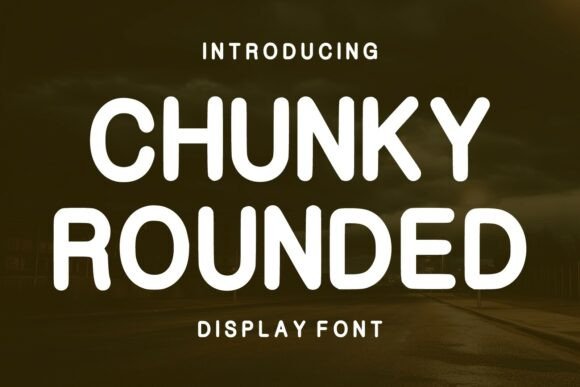
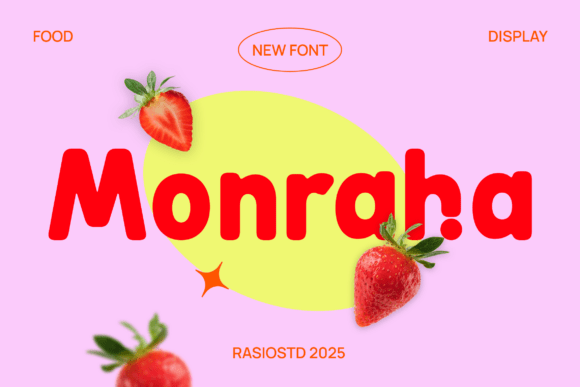
At its core, Monraha is defined by its structural integrity combined with a tactile softness. It is not merely a rounded sans-serif; it is a display typeface designed with soft, rounded corners and a distinctively bouncy, approachable rhythm. This rhythm is crucial in typography—it dictates how the eye moves across a line of text. Where geometric sans-serifs can feel rigid or static, Monraha offers a gentle visual cadence that mimics the fluidity of organic shapes.
The font features a chunky weight that prioritizes impact without sacrificing clarity. In the world of display typography, there is often a trade-off between boldness and legibility. Many heavy, decorative fonts become muddled at smaller sizes or when viewed from a distance. Monraha, however, maintains incredible legibility even in its heavier applications. This is achieved through careful kerning (the spacing between characters) and a structure that avoids overcrowding the internal counters of the letters. The result is a typeface that feels "juicy"—a term often used in food branding to describe visuals that look appetizing and full of flavor.
Comparing Monraha to Standard Sans-Serifs and Geometric Typefaces
When evaluating Monraha, it is helpful to compare it against the broader categories of sans-serif fonts. Standard geometric sans-serifs, such as Futura or Montserrat, are celebrated for their neutrality and versatility. They are the workhorses of the design world, suitable for body text and corporate headers alike. However, neutrality can sometimes translate to sterility. For a brand trying to communicate warmth, such as an artisanal bakery or a children’s educational app, a geometric sans-serif may feel too cold or clinical.
Monraha offers a distinct alternative for these scenarios. While it shares the clean lines of modern sans-serifs, its rounded terminals and bouncy baseline inject a personality that geometric fonts lack. It does not try to be invisible; instead, it actively participates in the storytelling of the brand. However, this distinct personality is also a trade-off. Monraha is not designed for long-form body copy. Its chunky weight and display characteristics make it ideal for headers, logos, and short bursts of text, but it would overwhelm a paragraph. Therefore, a designer using Monraha must pair it with a more neutral, highly legible text font for descriptions and body content.
The Tradeoff Between Whimsy and Professionalism
One of the critical decision factors when considering Monraha is the balance between whimsy and corporate professionalism. In specific industries, a "bouncy" font might be perceived as too informal. For example, a law firm or a fintech startup might find that Monraha undermines the seriousness of their services.
Conversely, for industries where approachability is the primary currency—such as the organic food market or casual lifestyle branding—this whimsy is a strength. Monraha captures the essence of modern food branding, where the visual identity needs to feel handmade, healthy, and accessible. It signals to the consumer that the product is friendly and unpretentious. When comparing this to a high-contrast serif font (like Didot), which often signals luxury and exclusivity, Monraha signals inclusivity and comfort.
Best-Fit Situations and Realistic Applications
To understand where Monraha excels, we must look at specific use cases where its attributes solve common design problems. The font is particularly effective in environments where visual noise is high, or where the text needs to grab attention quickly without aggressive shouting.
- Food and Beverage Packaging: On a crowded supermarket shelf, typography must be legible in seconds. Monraha’s chunky weight ensures the product name pops, while its soft corners evoke the textures of fresh, organic food. It works exceptionally well for snack brands, juices, and confectionery.
- Bakery Signage: The "bouncy" nature of the font mimics the irregularity of baked goods or the whimsy of a chalkboard menu. It creates an inviting atmosphere before the customer even enters the shop.
- Children’s Products: For educational materials or toy packaging, safety and friendliness are paramount. Monraha lacks sharp edges, making it visually safe and appealing to a younger demographic without looking childish to the parents making the purchase.
- Casual Editorial Headers: In modern magazine layouts or lifestyle blogs, Monraha can serve as a striking header font that contrasts well with a serif or simple sans-serif body text, breaking the monotony of the page layout.
Evaluating Limitations and Pairing Strategies
No typeface is a universal solution, and an honest evaluation of Monraha requires acknowledging its limitations. As a display font with a strong personality, it can clash with other decorative fonts. Using Monraha alongside a script font, for instance, can result in visual clutter where both fonts compete for attention. The design principle of contrast applies here: because Monraha is round and bold, it pairs best with fonts that are structured and light.
A practical approach to using Monraha involves pairing it with a traditional serif or a humanist sans-serif for body text. For example, using Monraha for a headline like "Freshly Baked Daily" and pairing it with a font like Lato or Open Sans for the ingredient list creates a hierarchy that guides the reader’s eye. The headline provides the emotional hook (warmth and flavor), while the body text provides the functional information (details and specs).
Decision Factors: When to Choose Monraha
When evaluating whether Monraha is the right resource for your project, consider the following factors:
- Brand Voice: Is your brand voice casual, organic, friendly, or playful? If yes, Monraha is a strong contender. If your voice is authoritative, luxurious, or minimalist, you may need a different category of font.
- Readability Requirements: Do you need the font for signage or headers? Monraha shines here. Do you need it for legal disclaimers or long articles? You will need an alternative.
- Target Audience: Will your audience respond better to sharp, modern edges or soft, organic curves? For families, foodies, and lifestyle enthusiasts, the soft curves of Monraha create an immediate psychological connection.
Conclusion: The Value of Approachable Typography
In the current design climate, where consumers crave authenticity and connection, typography plays a pivotal role. Monraha offers a specialized solution for brands that need to communicate warmth without sacrificing modern design standards. It is not a replacement for standard corporate fonts, nor is it trying to be. Instead, it fills a specific niche for projects that need to feel welcoming, organic, and full of flavor.
By understanding the strengths of its bouncy rhythm and chunky legibility, and by carefully pairing it with complementary typefaces, designers can use Monraha to create visual identities that stand out in the food, lifestyle, and children’s markets. It serves as a reminder that in design, how something feels is often just as important as what it says.