Designing with Flavor: A Practical Guide to the Mocha Muffin Font
In the competitive landscape of food and beverage branding, visual identity is not merely an aesthetic choice; it is a critical component of the business workflow. A typeface does more than spell out a name; it communicates texture, quality, and intent before a customer even engages with the product. This is where Mocha Muffin enters the professional toolkit. It is a bold, display typeface specifically engineered for food-related branding, creative packaging, and high-impact signage. However, understanding how to integrate a specialized asset like this into a broader design workflow is essential for achieving a polished result.
Understanding the Asset: Anatomy of Mocha Muffin
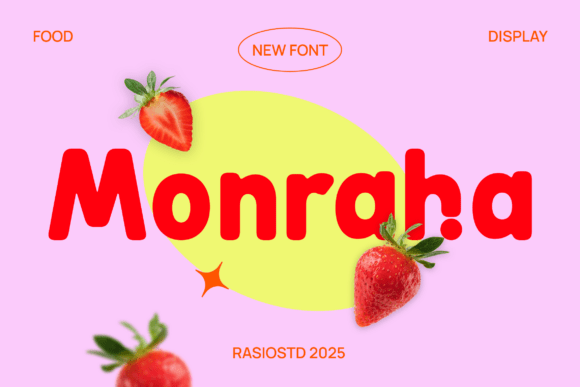
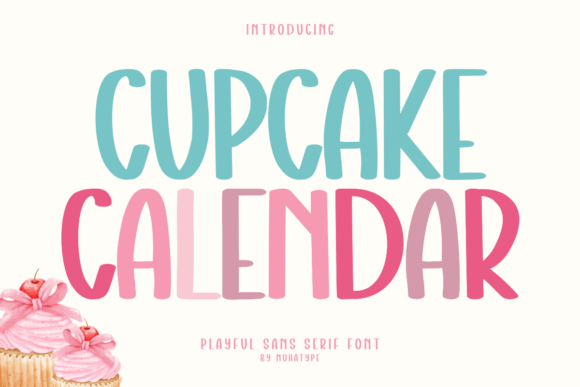
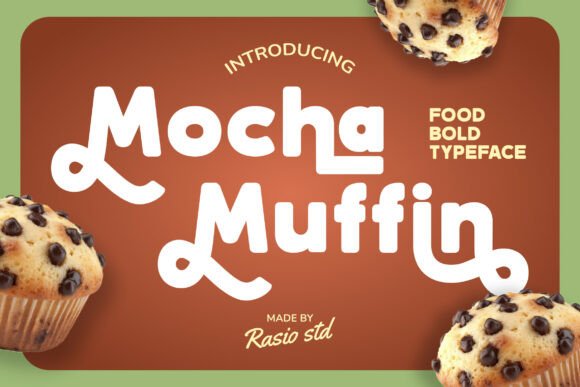
Before implementation, a designer or business owner must understand the inherent characteristics of the font to ensure compatibility with their brand voice. Mocha Muffin is defined by its chunky curves, bubbly shapes, and distinctively looped terminals on select letters. These features create a visual rhythm that mimics the organic, soft forms found in baked goods and confections.
From a technical standpoint, the font is categorized as a display typeface. This distinction is vital for your workflow. It is not designed for body text or long-form reading; its strength lies in headlines, logos, and short, punchy phrases. The "whimsical" nature of the loops adds a sense of playfulness, which can be leveraged to lower the barrier between a brand and a consumer. When you analyze the font's anatomy, you will notice that the weight of the strokes is heavy, ensuring high legibility even at smaller sizes on packaging—a crucial factor for retail environments where shelf space is limited and visibility is paramount.
Strategic Implementation in Branding Workflows
Integrating Mocha Muffin into a project requires a structured approach. It is rarely the only font a brand will use, but it serves as the primary voice for specific touchpoints. Here is how to approach its implementation across different stages of a design project.
Phase 1: Pre-Production and Mood Boarding
The decision to use Mocha Muffin should occur during the mood boarding phase. When assembling visual references for a bakery, snack brand, or dessert menu, look for alignment between the font’s personality and the product's value proposition. If the product is artisanal, serious, and minimalist, this font may create a disconnect. However, if the product is fun, indulgent, family-friendly, or whimsical, Mocha Muffin fits perfectly.
During this phase, download the font files and install them on your workstation immediately. Check the licensing agreement to ensure it covers your intended usage, whether for physical merchandise, digital media, or print-on-demand services. Organizing your assets early prevents workflow bottlenecks later.
Phase 2: Logo Design and Wordmarks
When creating a wordmark for a brand like "Sugar & Spice" or "Morning Glory Bakery," Mocha Muffin provides a strong foundation. However, avoid simply typing the name and calling it a logo. A practical design process involves:
- Customization of Ligatures: Examine the looped terminals. In some instances, you may need to adjust the kerning (space between letters) to ensure the loops do not clash with adjacent characters.
- Vector Conversion: Once the layout is finalized, convert the text to outlines in your vector software (like Adobe Illustrator). This allows you to manually tweak the bezier curves of the "bubbly shapes" to better fit a circular or hexagonal logo container.
- Color Interaction: Because the font is bold, it holds up well against contrasting colors. Test the wordmark against both light and dark backgrounds to ensure the thick strokes do not bleed together when printed on textured paper.
Phase 3: Packaging and Labeling
Packaging is where Mocha Muffin truly shines. In a retail setting, you have roughly three seconds to capture a shopper's attention. The font's "chunky" nature ensures the product name is readable from a distance.
When designing labels, pair Mocha Muffin with a clean, sans-serif font for nutritional information and legal disclaimers. The contrast between the playful display font and a utilitarian sans-serif (like Helvetica, Open Sans, or Roboto) creates visual hierarchy. This ensures the design is compliant with labeling regulations while remaining visually appetizing.
Workflow Integration: Tools and Compatibility
A practical workflow relies on software compatibility. Mocha Muffin is typically delivered in standard formats (TTF, OTF, WOFF), making it compatible with the industry-standard suite of tools.
- Adobe Creative Cloud: For print design, use the font in Illustrator for vector assets and InDesign for menu layouts. Ensure the font is embedded when packaging the file for print vendors to avoid font substitution errors.
- Canva and Web Builders: For small business owners managing their own social media, Mocha Muffin can be uploaded as a "Brand Font" in Canva. This allows for consistency across Instagram stories, Facebook ads, and website headers without needing advanced design skills.
- Mockup Generators: Use the font in 3D mockup software to visualize how the text wraps around coffee cups, donut boxes, or paper bags. This step is crucial for quality control, allowing you to see how the "whimsical" curves behave on curved surfaces.
Practical Tips for Maximum Impact
To get the most out of Mocha Muffin, consider these workflow optimizations and design observations.
Color Psychology and Pairing
The font name itself suggests warmth—mocha browns, creamy tans, and rich chocolates. When selecting a color palette for your project, lean into earth tones for a comforting vibe, or use pastel pinks and mints for a more modern, "candy shop" aesthetic. Avoid overly corporate colors like stark grays or navy blues, which can clash with the font's playful geometry.
Spacing and Readability
Because the letters are "chunky," they occupy significant horizontal space. In your layout process, pay close attention to line height (leading). If lines of text are stacked too closely, the visual weight of the font can make the text block look muddy. Increase the leading slightly more than you would for a standard serif font to let the shapes breathe.
Contextual Use Cases
While the primary use case is food, think laterally. Mocha Muffin is also effective for:
- Children’s Education: Its bubbly, approachable shape makes it excellent for educational materials regarding nutrition or cooking classes for kids.
- Event Invitations: Birthday parties, bake-offs, or community potlucks benefit from the font's inviting demeanor.
- Merchandise: Aprons, chef hats, or tote bags. The bold weight ensures the print remains visible even after multiple washes.
Long-Term Consistency and Brand Guidelines
If you are a freelancer delivering a project to a client, or a business owner establishing a new line, document the usage of Mocha Muffin in a style guide. Define exactly which headings use the font and which elements do not. For example, specify that Mocha Muffin is for "Product Names and Headlines" only, while "Body Copy and Instructions" use a secondary font. This prevents the brand identity from becoming chaotic as new marketing materials are produced over time.
Furthermore, consider the longevity of the asset. Ensure you have backups of the font files stored in a central cloud location accessible to your team. If a printer or a new web developer needs the file to execute a task, having it organized and ready prevents delays in the production schedule.
Conclusion: Elevating the Everyday
Ultimately, Mocha Muffin is more than just a set of vector shapes; it is a strategic tool for evoking emotion. By integrating it thoughtfully into your design workflow—from the initial mood board to the final print file—you ensure that your branding communicates the exact sensory experience you intend. It allows creators to inject a sense of fun and flavor into their projects, ensuring that the final product looks as good as it tastes. Whether you are designing a menu for a high-end patisserie or packaging for a line of artisanal chocolates, this typeface provides the visual vocabulary needed to connect with your audience effectively.