Chunky Rounded: A Deep Dive into This Friendly Display Font
Understanding the Core Appeal of Chunky Rounded
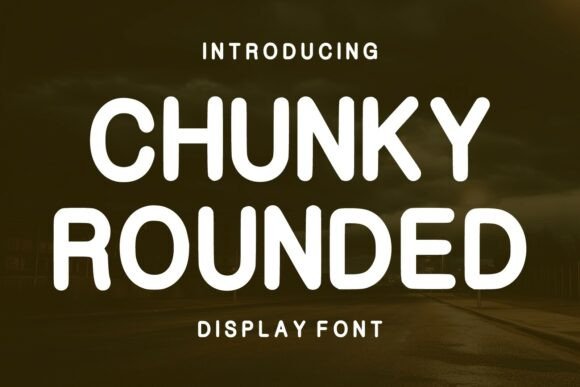
In the vast landscape of typography, selecting a typeface that balances personality with professionalism is a common challenge. Chunky Rounded enters this space as a distinct option, defined by its thick, smooth, and rounded letterforms. This isn't just another bold font; its character lies in the intentional softening of every corner and terminal. The result is a typeface that feels inherently modern and approachable. Unlike sharp, geometric sans-serifs that can sometimes feel cold or overly technical, Chunky Rounded uses its curves to create a sense of warmth and friendliness. This fundamental design choice makes it a powerful tool for projects aiming to connect on an emotional level without sacrificing visual impact.
Key Characteristics That Define Chunky Rounded
To evaluate whether Chunky Rounded fits your project, it's essential to understand its specific traits. The font's identity is built on several pillars that work in concert.
- Thick, Uniform Strokes: The consistent weight across each character contributes to its bold, confident presence. This uniformity ensures high legibility even at smaller sizes or from a distance, which is critical for applications like posters or packaging.
- Rounded Terminals and Corners: This is the font's signature feature. Every end of a stroke is softly rounded, eliminating any sharp angles. This detail is what transforms a simple bold font into something more tactile and inviting, often described as having a "friendly" or "playful" demeanor.
- Modern Proportions: The letterforms are designed with contemporary aesthetics in mind, featuring balanced x-heights and open counters. This prevents the text from looking clunky or dated, ensuring it works well in current design trends.
- Clean Readability: Despite its decorative qualities, Chunky Rounded prioritizes function. The shapes are clear and unambiguous, allowing for quick comprehension in headlines and short bursts of text, which is vital for social media graphics or advertising.
Comparing Chunky Rounded to Other Font Categories
When researching display fonts, you'll encounter several categories that might seem similar at first glance. Understanding the differences helps in making an informed choice.
Versus Traditional Rounded Sans-Serifs
Many rounded sans-serif fonts exist, but they often maintain a more neutral, text-friendly weight. Chunky Rounded is explicitly a display font, meaning its design prioritizes visual impact at large sizes over sustained readability in long paragraphs. It is bolder and more exaggerated in its curves and weight. If you need a rounded font for body text, a standard rounded sans-serif would be more appropriate. Chunky Rounded is for headlines, logos, and hero text where making an immediate statement is the goal.
Versus Script and Handwritten Fonts
Script fonts convey personality through cursive, flowing connections, often evoking elegance or casual spontaneity. Chunky Rounded achieves a different kind of personality—one that is more structured and geometric in its softness. It offers the warmth of a handwritten style but with the consistency and stability of a sans-serif. This makes it more versatile for branding where you need approachability combined with a sense of reliability, something that can be harder to achieve with unpredictable script letterforms.
Versus Geometric and Grotesque Bold Fonts
Bold geometric fonts (think of many tech or startup logos) communicate strength, innovation, and precision. They often use sharp corners and perfect circles. Chunky Rounded, by softening these elements, trades some of that technical precision for a more human, organic feel. The choice here is about the underlying message: do you want to project cutting-edge efficiency or friendly accessibility? A fitness app might use a geometric bold font, while a children's educational brand would likely find Chunky Rounded a better fit.
Practical Applications: Where Chunky Rounded Excels
The true test of a font is its performance in real-world scenarios. Chunky Rounded's design makes it particularly well-suited for specific use cases.
- Branding and Identity: It can form the cornerstone of a brand's visual identity for companies in lifestyle, food, wellness, or family-oriented sectors. Its friendly nature helps build immediate rapport with audiences.
- Poster and Event Graphics: The high-contrast, bold nature ensures text stands out from busy backgrounds. It's excellent for music festivals, community events, or promotional posters where grabbing attention quickly is paramount.
- Packaging Design: On shelves, products need to communicate their personality instantly. Chunky Rounded works well for product names on snack foods, cosmetics, or artisanal goods, suggesting a fun, approachable, and quality product.
- Social Media and Digital Content: In the fast-scrolling environment of social platforms, a clear, engaging headline font is crucial. Its readability and personality make it ideal for Instagram graphics, YouTube thumbnails, and ad banners.
- UI/UX for Specific Interfaces: It can be used strategically in user interfaces for buttons, headers, or onboarding screens in apps aimed at a younger demographic or in contexts where a playful, non-intimidating user experience is desired.
Evaluating Strengths and Potential Tradeoffs
No single font is perfect for every situation. A balanced assessment requires looking at both benefits and limitations.
Strengths
- Instant Appeal: Its primary strength is its ability to create a positive, welcoming first impression. It breaks down barriers and feels accessible.
- High Impact at Scale: It commands attention in large formats, making it a reliable choice for headlines that need to dominate a layout.
- Modern Yet Timeless: The rounded, bold style taps into current trends but has a simplicity that likely won't feel dated quickly.
- Excellent for Hierarchy: Used for H1 or H2 headings, it creates a strong, clear visual hierarchy when paired with a more neutral body font.
Tradeoffs and Limitations
- Not for Long Text: Its bold weight and distinctive shapes would cause significant eye strain in body copy. It is fundamentally a headline and display font.
- Potential for Overuse: Its strong personality can overwhelm a design if used excessively. It often works best as an accent font paired with a simpler sans-serif or serif for supporting text.
- Context Dependence: The playful nature might undermine the intended message for serious, formal, or luxury brands. A law firm or high-end financial service would likely find it inappropriate.
- File Size and Performance: As a detailed display font, its file size might be larger than a basic web font, a minor but relevant consideration for web performance.
Making the Decision: Is Chunky Rounded Right for Your Project?
The decision hinges on aligning the font's characteristics with your project's goals and audience. Ask yourself these key questions:
- What is the primary emotion I want to evoke? If the answer involves friendliness, fun, warmth, or modern playfulness, Chunky Rounded is a strong candidate. If the goal is elegance, seriousness, or stark minimalism, you should look elsewhere.
- What is the primary use case? If it's for headlines, logos, or short, impactful text, it's designed for that. If you need a font for a novel or a lengthy report, this is not the tool for the job.
- Who is my audience? Chunky Rounded tends to resonate strongly with younger demographics and families. For a professional B2B audience, a more restrained bold sans-serif might be more effective.
- How does it pair with other fonts? Test it with your intended body font. A clean, geometric sans-serif or a classic serif can provide a pleasing contrast, allowing Chunky Rounded to shine without competing.
In the end, Chunky Rounded is a specialized tool in a designer's toolkit. It doesn't try to be everything. Its value lies in its specific, well-executed ability to deliver bold, friendly, and highly readable headlines. When used in the right context and for the right audience, it can significantly enhance the approachability and visual energy of a design. When the project calls for neutrality, subtlety, or formal authority, exploring other typeface categories becomes necessary. The key is to match the font's voice to your project's message.