Rawles: A Strategic Guide to Using This Bold Display Font for Maximum Impact
In the crowded landscape of digital and print design, typography is not merely a decorative choice; it is a strategic decision. The fonts you select dictate the pace of reading, establish the hierarchy of information, and most importantly, set the emotional tone before a single word is read. Among the tools available to modern creators, Rawles stands out as a bold and playful display font. However, to view Rawles simply as a "vintage style" would be to underestimate its utility. It is a distinct asset capable of elevating brand identity and communication when deployed with intention.
Understanding the Anatomy of Rawles
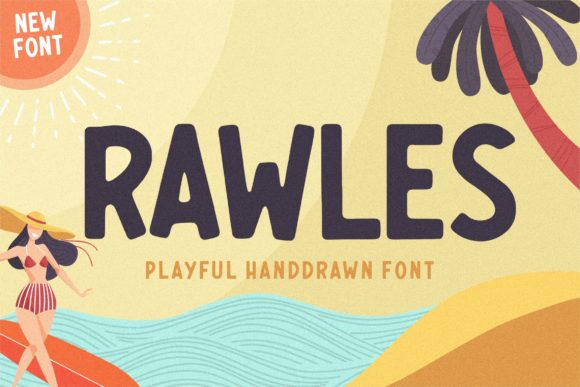
Rawles is characterized by its boldness and a distinct vintage aesthetic, yet it retains a playful energy that prevents it from feeling stuffy or outdated. Unlike rigid serif fonts that imply strict authority, or clean sans-serifs that suggest corporate neutrality, Rawles occupies a unique psychological space. It suggests confidence and heritage while maintaining an approachable, human touch.
For the entrepreneur or marketer, understanding this nuance is critical. When you choose Rawles, you are signaling that your brand values personality and craftsmanship. It is a font that demands attention without screaming for it, making it an incredible asset for headlines, logos, and hero sections where first impressions are formed in milliseconds.
The Psychology of Vintage Typography
Why does vintage styling resonate so deeply with modern audiences? There is a psychological element of trust associated with styles that feel established. In an era of fleeting digital trends, the sturdy, hand-crafted feel of Rawles offers a sense of stability. For a small business owner or a freelancer, using this font can subconsciously communicate reliability and artisanal quality, distinguishing you from the "cookie-cutter" aesthetic of default system fonts.
Strategic Application: Where Rawles Fits in Your Workflow
Adding Rawles to your library is a tactical move, but knowing where to deploy it is where strategy comes into play. The goal is not to use a bold display font everywhere, but rather to use it where it drives the most value. Effective typography is about contrast and hierarchy.
- Brand Positioning: If your brand identity leans toward the retro, the artisanal, or the counter-culture, Rawles serves as a cornerstone font. It works exceptionally well for lifestyle brands, craft breweries, vintage clothing lines, or creative agencies looking to project a distinct personality.
- Marketing and Advertising: In digital ads or social media graphics, attention spans are short. The bold nature of Rawles ensures that your headline is legible and arresting even on small mobile screens. It cuts through the noise of a busy feed.
- Packaging and Merchandise: For creators selling physical goods, packaging is the final handshake. The vintage charm of Rawles translates beautifully to physical media, offering a tactile quality that digital screens often fail to convey.
Decision-Making: When to Use (and When to Avoid) Rawles
A disciplined approach to design means recognizing that no single font is a universal solution. While Rawles is an incredible asset, it requires context to be effective. The decision to use it should be driven by your specific goals and the medium you are working within.
High-Value Use Cases
Rawles shines brightest when used for emphasis. Think of it as the vocal projection of your typography. It is ideal for:
- Hero Headlines: The main title on a landing page that needs to capture the essence of the offer immediately.
- Pull Quotes: Highlighting a key testimonial or statistic in a long-form article to break up text and re-engage the reader.
- Event Invitations: Setting a specific mood for a launch party, webinar, or workshop that promises to be engaging and unique.
The Risk of Over-Reliance
The primary risk in using a font like Rawles is over-saturation. If you use a bold, playful display font for body text, you will create a reading experience that is exhausting for the user. Legibility drops significantly when display fonts are used in long paragraphs.
Furthermore, using Rawles without a clear context can confuse your positioning. If you are a fintech startup aiming for a sleek, futuristic vibe, a vintage playful font might create cognitive dissonance for your users. The strategy must align the font's personality with the brand's promise.
Integrating Rawles into a Comprehensive Design System
To truly elevate your creation, Rawles should not exist in a vacuum. It needs a partner. Strategic typography usually involves pairing a distinctive display font with a highly readable body font.
Because Rawles is bold and vintage, it pairs exceptionally well with clean, modern sans-serifs like Helvetica, Roboto, or Lato. This contrast creates visual interest. The Rawles headline grabs the attention, and the clean body text provides the information without friction. This balance is essential for maintaining a professional aesthetic while retaining creative flair.
Practical Planning Tips
Before finalizing a design featuring Rawles, consider the following planning steps:
- Test for Scalability: How does Rawles look at 72pt versus 14pt? Display fonts often lose their charm or become illegible at smaller sizes. Ensure your use case matches the font's strengths.
- Check the Mood Match: Does the "playful" aspect of the font fit the seriousness of your topic? Using Rawles for a legal disclaimer would be inappropriate, but using it for a creative brief is perfect.
- Evaluate Licensing and Assets: Ensure that the version of Rawles you acquire includes the character sets and weights necessary for your specific needs, particularly if you are targeting multilingual audiences.
Long-Term Value and Brand Consistency
Building a recognizable brand requires consistency. When you adopt Rawles as part of your identity, you are making a long-term commitment. Over time, your audience will begin to associate that specific typographic style with your content.
For the educator or blogger, this consistency builds trust. Readers will subconsciously recognize the "voice" of your content through the visual cue of the font before they even read the title. For the business owner, this translates to brand equity. Rawles becomes a visual shorthand for the quality and style of your offerings.
Conclusion: Elevating Your Toolkit
In conclusion, Rawles is more than just a collection of glyphs; it is a strategic tool for communication. Its bold and playful vintage style offers a distinct advantage in a market saturated with generic visuals. By understanding its strengths, respecting its limitations, and pairing it thoughtfully, you can add this font to your library not just as a design element, but as a driver of better engagement and clearer brand positioning. Use Rawles intentionally, and it will serve as an incredible asset to your creative arsenal.