Little Worms Font: A Practical Guide to This Playful Typeface
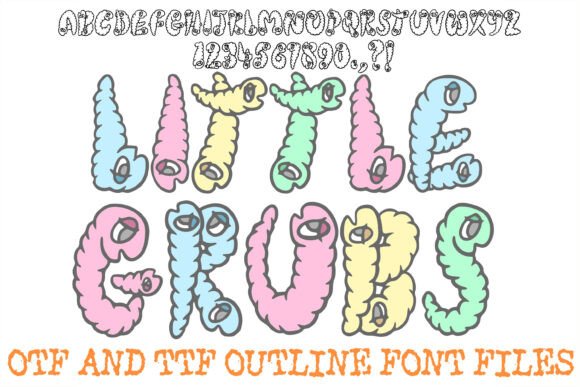
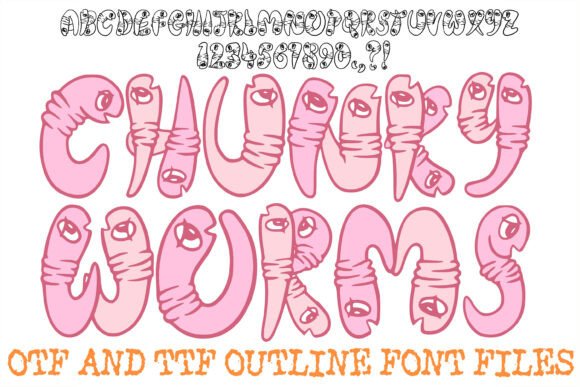
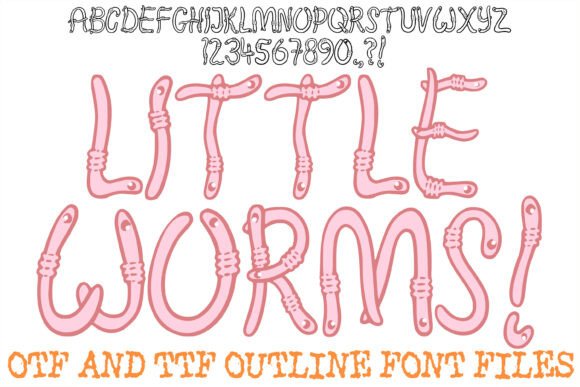
When searching for a typeface that injects personality and whimsy into a project, designers often encounter the Little Worms Font. This display typeface stands out immediately due to its unique construction: every character is designed to resemble a segmented, flexible garden worm. It is not merely a standard font with a texture overlay; the architecture of each letterform is organic, featuring hand-drawn details such as tiny eyes and textured body rings. This article provides a balanced evaluation of the Little Worms Font, helping you determine if its distinctive aesthetic aligns with your specific project requirements and creative goals.
Understanding the Aesthetic and Construction
The primary characteristic of the Little Worms Font is its "wiggly" silhouette. Unlike standard sans-serif or serif fonts, which rely on geometric precision, this typeface mimics the natural, fluid movement of a crawling worm. The letters are meticulously crafted to appear as if they are in motion, giving the text a sense of life and humor. This artisan-sketched quality suggests a handmade approach, making it feel approachable and informal. However, because the design is so intricate—incorporating eyes and segmented textures—it functions strictly as a display font. It is intended for headlines, logos, and short bursts of text rather than body copy.
Primary Use Cases and Scenarios
Evaluating whether to use this font requires an analysis of your project's context. The Little Worms Font is a strong fit for specific scenarios where a lighthearted, nature-centric, or child-friendly tone is desired. It excels in environments where visual engagement is prioritized over formal readability.
Consider the following applications where this font performs effectively:
- Educational Materials: Teachers creating worksheets, bulletin boards, or science-themed classroom decor will find that this font captures the attention of younger students. It adds a playful element to biology lessons or reading corners without feeling sterile or overly academic.
- Children’s Publishing: For book titles, chapter headings, or dust jackets in the early reader or picture book category, the font provides an instant signal of fun and imagination.
- Event Invitations: If you are designing invitations for a garden party, a child’s birthday celebration, or a whimsical "creepy-crawly" themed event, this typeface sets the mood immediately.
- Niche Branding: Businesses related to gardening, composting, organic farming, or even pet shops specializing in reptile feed can use this font to project a friendly, approachable brand identity.
- Crafting and Apparel: For designers creating unique T-shirts, tote bags, or stickers for nature lovers, the Little Worms Font offers a distinct look that stands out from generic commercial fonts.
Benefits and Tradeoffs
Every design choice involves a tradeoff between style and function. The primary benefit of the Little Worms Font is its high level of distinctiveness. It is memorable and difficult to ignore, which can be a significant advantage in marketing or creative projects aiming for visual impact. The "hand-drawn" aesthetic also conveys authenticity and creativity.
However, there are practical considerations to keep in mind:
- Readability vs. Style: Because the letters are stylized to look like worms, legibility can be compromised at small sizes or in long sentences. It is best used for headlines or single words where the viewer has time to decipher the shape.
- Niche Limitations: The playful nature of the font makes it unsuitable for corporate, legal, or serious academic contexts. Using it for a financial report or a medical brochure would undermine the credibility of the content.
- Visual Clutter: Since the font includes detailed textures and "eyes," it can appear busy if used on a complex background. It generally requires a clean, solid background to ensure the text remains the focal point.
Decision-Making Insights
To decide if the Little Worms Font is the right tool for your project, you must evaluate your primary objective. If your goal is to convey professionalism, neutrality, or serious authority, this font is not the appropriate choice. In such cases, a clean sans-serif like Helvetica or Open Sans would be more effective.
Conversely, if your goal is to evoke a smile, engage a younger audience, or emphasize an organic theme, the Little Worms Font is a compelling option. When integrating it into a design, consider pairing it with a simple, rounded sans-serif for body text. This creates a hierarchy where the "worm" font handles the fun, attention-grabbing headlines, while the secondary font ensures the supporting information is easy to read.
When to Consider Alternatives
While the Little Worms Font is unique, it is not a universal solution. There are situations where alternatives may be worth considering to better align with the project's tone:
- For a "Spooky" Vibe: If the project involves Halloween themes or scary stories, a font that mimics dripping slime or jagged edges might be more appropriate than the rounded, friendly shape of a worm.
- For High-End Organic Branding: If you are branding a luxury organic spa or a high-end botanical garden, the cartoonish nature of the worm font might feel too juvenile. In this instance, a sophisticated serif with natural ligatures or a hand-lettered script would better convey elegance.
- For Digital Interfaces: In UI/UX design for websites or apps, legibility is paramount. The intricate details of the Little Worms Font can create visual noise on screens, making navigation difficult. A cleaner, more geometric font is standard for digital interfaces.
Conclusion
The Little Worms Font is a specialized tool designed to bring charm, humor, and a sense of nature to specific types of projects. It transforms standard text into a playful visual element, making it ideal for educators, children's authors, and niche branding. However, its effectiveness relies on correct application. By understanding its strengths in engagement and its limitations in formal readability, you can make an informed decision. If your project demands a whimsical, artisan-sketched aesthetic that is both fun and memorable, and you are willing to prioritize style over strict legibility, the Little Worms Font is a strong candidate for your design toolkit.