Black Pepper: The Artisan Display Font for Authentic Branding
In the crowded digital marketplace, visual identity is your first handshake with a potential customer. When you are designing for a specialty coffee roaster, a farm-to-table restaurant, or a boutique soap maker, standard sans-serifs often fall flat. This is where Black Pepper enters the conversation. It is not just a font; it is a statement of craftsmanship. As a tall display typeface, it offers a rustic, handcrafted personality that immediately signals quality and care to your audience.
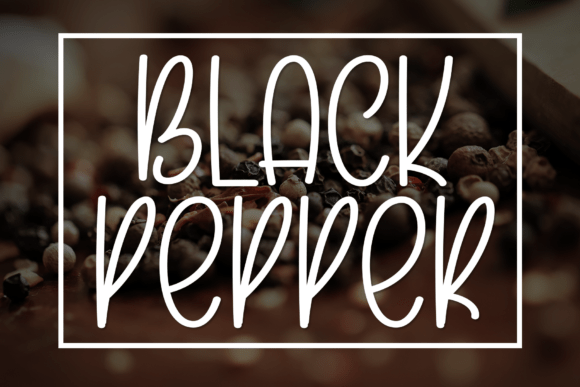
Characterized by its elongated forms and organic, slightly quirky letter shapes, Black Pepper evokes the feeling of a cozy bakery or a high-end kitchen. Its design philosophy centers on high-impact verticality. The letters reach upward, drawing the eye and creating a sense of elegance without feeling stuffy. Crucially, it maintains a soft, welcoming aesthetic thanks to its rounded edges. This combination of height and softness is rare, making it a powerful tool for creators who want to command attention while remaining approachable.
Understanding the Soul of the Typeface
Before you download or purchase Black Pepper, it is vital to understand its intended application. Many designers make the error of viewing display fonts as "universal" tools. Black Pepper is designed specifically for headline and display use. Its tall, stretched proportions make it excellent for logos, storefront signage, and packaging headers. However, because of its unique character shapes, it is not designed for long-form reading.
The personality of Black Pepper leans heavily into the artisanal. It suggests that the product it represents was made by human hands, not mass-produced by machines. If your brand identity relies on precision, cold minimalism, or hyper-corporate efficiency, this font might send a mixed message. However, if you are marketing organic food, kitchen-themed home decor, or handcrafted goods, the font aligns perfectly with your values.
Common Pitfalls When Using Display Fonts
Choosing a font like Black Pepper is only the first step. The application is where most projects succeed or fail. Here are the most common mistakes creators make when working with tall, artisanal display fonts, and how to avoid them.
1. The Legibility Trap at Small Sizes
The defining feature of Black Pepper is its elongated forms. While this creates stunning headers, it can become a liability if you try to force it into small spaces. A frequent error is using the font for body text or caption sizes on mobile devices.
The Mistake: Shrinking the font to fit a tight UI element or a button. Because the vertical strokes are emphasized, reducing the height makes the letters look like squashed lines, destroying the legibility that the font is known for.
The Solution: Respect the font's "minimum viable size." Keep Black Pepper for large headlines where the shapes can breathe. For body text, pair it with a neutral, highly readable sans-serif or serif font. This creates a hierarchy that guides the reader's eye naturally.
2. Ignoring Line Height and Spacing
Tall fonts behave differently than standard square fonts. If you apply standard line height (leading) to Black Pepper, the text will feel cramped and claustrophobic. The "organic" feel of the font relies on space to let the quirky shapes stand out.
The Mistake: Using auto-leading or tight tracking. This makes the text block look heavy and overwhelming.
The Solution: Increase your line height significantly. Because the font is tall, it needs vertical breathing room. A good rule of thumb is to set your line height at 1.3x to 1.5x the font size. Additionally, consider slightly increasing the letter spacing (tracking) to enhance that rustic, airy vibe.
3. Poor Color and Background Contrast
Black Pepper has rounded edges and organic shapes. These features are subtle and can be lost if the contrast is wrong. It is a common mistake to place this font on busy, textured backgrounds (like a high-resolution photo of spices or wood) without a buffer.
The Mistake: Overlaying the text directly onto a complex image. The organic shapes of the letters blend into the organic shapes of the background, making the message unreadable.
The Solution: Use high-contrast solid colors or place the text over a semi-transparent overlay. The font works best when it is the focal point. If you must use an image background, ensure the text is a solid, contrasting color (like crisp white on a dark moody photo) to maintain that excellent legibility.
Practical Application: Where Black Pepper Shines
To get the most out of this typeface, you should apply it to contexts where its personality adds value. Here are realistic examples of better approaches for different user groups.
- Restaurant Menus: Use Black Pepper for section headers like "Starters" or "Cocktails." Do not use it for the list of ingredients or prices. Pair it with a clean serif for the dish descriptions to maintain elegance and readability.
- Organic Food Packaging: This is the sweet spot for the font. Use it for the product name (e.g., "Smoked Paprika" or "Artisan Sourdough"). The rustic feel immediately communicates that the product is natural and high-quality.
- Boutique Storefront Signage: Because of its high-impact verticality, the font is excellent for window decals or vertical signs. It catches the eye of pedestrians walking by. Ensure the sign material allows for the rounded edges of the letters to be cut or printed cleanly.
- Kitchen Decor: For digital prints or wall art, Black Pepper works beautifully for short quotes or single words like "Gather" or "Cook." Its handcrafted aesthetic fits perfectly in a home environment.
Evaluating Quality Before You Commit
If you are a freelancer or small business owner looking to integrate Black Pepper into your toolkit, you must evaluate the technical quality of the font files before purchasing.
Check the Character Set: Does the font support multiple languages? If you serve an international audience, missing accented characters can make your brand look amateurish.
Look for Alternates: High-quality artisanal fonts often include stylistic alternates or ligatures. These allow you to swap out specific letters to avoid repetition or awkward collisions between characters. This feature is crucial for logo design where uniqueness is key.
Test the Weights: Does the font come with variations? While the regular weight is the star, having a bold or light version can help you create a more robust visual system.
Conclusion
Black Pepper is more than just a typeface; it is a tool for storytelling. It tells your audience that you value quality, craftsmanship, and warmth. By avoiding the common pitfalls of poor sizing and bad contrast, and by pairing it with the right complementary fonts, you can elevate your design from generic to memorable. Whether you are designing a logo for a new bakery or laying out a menu for a farm-to-table restaurant, Black Pepper provides the personality and impact you need to stand out.