Workout Planner Font: A Comprehensive Evaluation for Wellness Branding
Understanding the Typeface's Core Identity
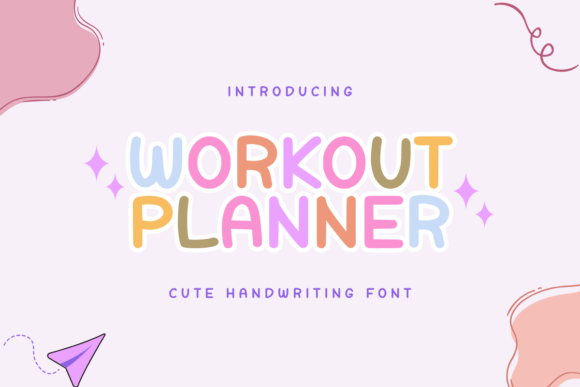
In the crowded landscape of digital design, typography plays a critical role in establishing brand voice. The Workout Planner font is a specific style of handwriting typeface characterized by its bubbly, soft aesthetic. It is designed to evoke feelings of friendliness, approachability, and high energy. Unlike rigid, sans-serif fonts often associated with corporate fitness brands, this typeface features rounded edges and a hand-drawn quality. It is intended to bridge the gap between professional planning and personal motivation, making it a candidate for projects ranging from mobile health apps to social media content creation.
Who Is This Font Designed For?
When evaluating the Workout Planner font, it is essential to determine if it aligns with your specific audience. This typeface is generally a strong fit for creators targeting a casual, youthful, or community-driven demographic. It speaks to individuals who view fitness not as a chore, but as a lifestyle and a source of joy. If your project involves habit tracking, meal prepping, or digital journaling, the visual weight of this font supports a narrative of positive reinforcement rather than strict discipline. It is particularly relevant for content creators who need to convey a sense of personal connection and empathy with their user base.
Key Benefits and Visual Impact
The primary benefit of utilizing the Workout Planner font lies in its psychological impact. The "squishy" letterforms and high readability reduce the cognitive load on the viewer, making health information feel more accessible and less intimidating. When paired with bright, motivational color palettes, this font can significantly enhance the vibrancy of a design. It excels in environments where clarity is required without sacrificing personality. For instance, in mobile applications, where screen real estate is limited, the distinct shape of the letters ensures that headings and call-to-action buttons remain legible while maintaining a cheerful tone.
Practical Applications
- Fitness Journals: Creating headers for daily workout logs that feel personal and encouraging.
- Social Media Graphics: Designing Instagram stories or reels that need to stop the scroll with friendly energy.
- Merchandise: Applying to gym bags, water bottles, or apparel where a casual, active vibe is desired.
- Instructional Materials: Labeling meal prep containers or exercise charts in a way that feels homemade and supportive.
Evaluating the Tradeoffs
While the Workout Planner font offers distinct advantages in tone, it is not a universal solution. One of the primary tradeoffs is the potential clash with high-performance or clinical branding. If your project is a medical device, a serious bodybuilding program, or a corporate wellness report, a handwritten font may undermine the perception of authority and precision. The playful nature of the typeface could be interpreted as informal or unprofessional in contexts requiring strict credibility. Therefore, evaluating the gravity of your content is a necessary step before implementation.
Readability Considerations
Although the font is designed for readability, all handwriting typefaces face limitations in long-form text. Using the Workout Planner font for entire paragraphs of dense information can cause eye strain. It is most effective when used for headings, subheadings, and short labels. For body text, it is generally advisable to pair this font with a clean, neutral sans-serif typeface to ensure that the content remains easy to digest. This combination allows the designer to capture the energetic spirit of the brand while maintaining functional legibility.
Decision-Making Framework
To determine if the Workout Planner font aligns with your goals, consider the following decision points. First, analyze your brand voice. Does your project aim to be a "workout buddy" or a "strict coach"? If it is the former, this font is a strong candidate. Second, consider the medium. This font shines in digital formats and printed planners but may lose its charm in formal reports. Third, look at your visual ecosystem. Does your design rely on playful icons and bright colors? If so, this typeface will integrate seamlessly. If your design is minimalist and monochromatic, this font might create visual dissonance.
Situations Where Alternatives Might Be Better
There are specific scenarios where the Workout Planner font may not be the optimal choice. If you are developing a brand focused on "extreme" sports or "elite" performance, the bubbly nature of the font may dilute the intensity of your message. In such cases, a bold, condensed sans-serif or a gritty script font might better convey the raw energy required. Similarly, if your primary audience is older adults seeking medical rehabilitation, a more traditional and stable serif font might provide the necessary sense of stability and trust. It is crucial to match the typography to the emotional state of the user; not everyone responds positively to cheerfulness when they are in pain or seeking serious medical advice.
Integration with Design Elements
The effectiveness of the Workout Planner font is heavily dependent on how it is integrated with other design elements. To maximize its potential, it should be paired with:
- Playful Icons: Graphics of dumbbells, fruits, or running shoes complement the hand-drawn style.
- Dynamic Layouts: Asymmetric or diagonal text placement can enhance the feeling of movement.
- Warm Color Palettes: Colors like coral, mint, and sunny yellow often pair well with the friendly nature of the typeface.
Conversely, using this font with stark, cold colors (like steel grey and navy) or rigid, grid-based layouts can create a conflicting message that confuses the viewer.
Final Verdict
The Workout Planner font is a specialized tool designed for a specific niche within the health and wellness industry. It offers a way to humanize digital fitness content, making habit tracking and goal setting feel like a collaborative and positive experience. However, its utility is contingent upon the target audience and the specific context of the project. By carefully evaluating the brand's personality, the medium of distribution, and the competitive landscape, designers can make an informed decision. If the goal is to create a welcoming, energetic, and approachable environment, the Workout Planner font is a viable and effective choice. If the goal is to command authority or convey clinical seriousness, exploring alternative typography is recommended.