Quick Brisky: Injecting Y2K Street Energy into Modern Design
In the ever-evolving landscape of graphic design, typography often serves as the voice of a brand before a single word is read. For designers, marketers, and business owners, the challenge lies in finding a typeface that not only captures attention but also conveys a specific emotional resonance. In an era saturated with minimalist sans-serifs and sterile corporate fonts, there is a growing demand for typefaces that offer personality, nostalgia, and tactile energy. This is where Quick Brisky enters the conversation, offering a distinct solution for those seeking to bridge the gap between urban street art and modern digital playfulness.
Understanding the Aesthetic: Beyond Standard Typography
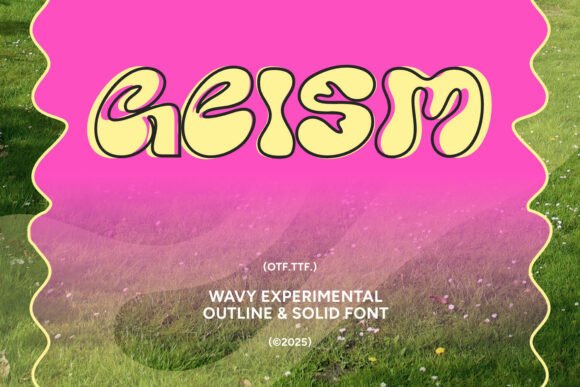
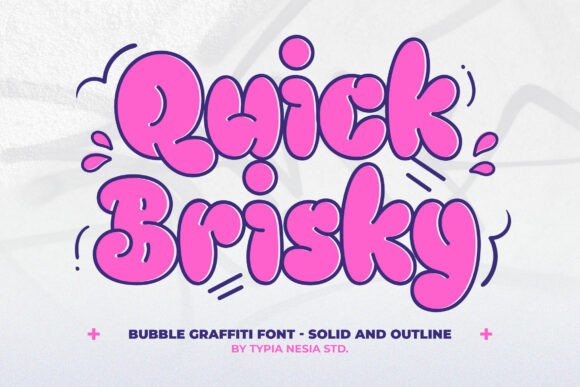
To appreciate the utility of Quick Brisky, one must first understand the design language it embodies. This typeface is categorized as a modern bubble graffiti font, heavily influenced by the "balloon lettering" style found in street art and the bold, unapologetic aesthetic of the Y2K (Year 2000) era. Unlike traditional graffiti fonts that can sometimes appear aggressive or difficult to read, Quick Brisky focuses on "soft" geometry. The letterforms are characterized by chunky, rounded shapes that mimic inflated balloons, creating a visual texture that is inherently cheerful and inviting.
The resurgence of Y2K design trends in contemporary culture has made fonts like Quick Brisky highly relevant. This style taps into a sense of nostalgia for a time of technological optimism and bold visual experimentation. However, Quick Brisky is not merely a retro-revival; it is a modern interpretation designed for current digital standards. The "quick" aspect of the name suggests immediacy and energy, implying that the font is built for fast-paced environments where grabbing attention is paramount.
Addressing Common Design Challenges
Designers and content creators frequently encounter specific hurdles when trying to engage modern audiences. One of the primary challenges is the "sea of sameness." With millions of websites, social media posts, and physical products competing for attention, using standard default fonts can result in a brand blending into the background. Quick Brisky addresses this by providing a high-impact visual identity that is difficult to ignore.
Another common issue is readability versus personality. Highly stylized fonts often sacrifice legibility for artistic flair. If a customer cannot read a logo or a menu item instantly, the design has failed. Quick Brisky solves this through its bold bubble structure. The thick strokes and distinct spacing ensure that while the font is expressive and playful, it maintains strong readability even at smaller sizes or from a distance. This balance is crucial for applications ranging from digital interfaces to physical signage.
Furthermore, many brands struggle to convey a "youthful" or "energetic" tone without appearing unprofessional. Quick Brisky walks this line effectively. It communicates fun and approachability—traits highly valued in lifestyle branding—while maintaining a level of polish that suggests a curated aesthetic choice rather than a random doodle.
Practical Applications and Use Cases
The versatility of Quick Brisky allows it to be deployed across a wide variety of mediums. Its effectiveness lies in how it adapts to different contexts, transforming the user experience based on the environment.
Urban Branding and Music Industry
For brands targeting younger demographics or those rooted in urban culture, Quick Brisky is an ideal primary typeface. In the music industry, particularly for genres like Pop, Hyperpop, or Hip-Hop, album covers and promotional posters require typography that feels kinetic. Quick Brisky captures the rhythm of the music visually, making it perfect for merchandise, concert flyers, and social media headers.
Hospitality and Packaging
Consider a modern café, a bubble tea shop, or a dessert parlor. The atmosphere of these establishments is often casual, vibrant, and social-media-friendly. Using Quick Brisky on menus, packaging, and window decals can reinforce the brand’s identity as a fun destination. The font’s balloon-like quality subconsciously evokes feelings of celebration and sweetness, which aligns perfectly with food and beverage marketing.
Digital Content and Stickers
In the digital realm, engagement is driven by visual stimulation. Content creators can utilize Quick Brisky for video thumbnails, stream overlays, and mobile app interfaces to create a distinct user experience. Additionally, the font is perfectly suited for the creation of digital stickers and GIFs, where bold, clear text is necessary to convey messages quickly in messaging apps and social stories.
Strategic Implementation for Different Users
While the font itself is a static asset, how it is implemented can vary significantly depending on the user's goals. A strategic approach to using Quick Brisky ensures that the typography enhances the overall design rather than overwhelming it.
- For Logo Designers: When using Quick Brisky for a logo, focus on customizing the kerning (spacing between letters). Because the letters are bold and rounded, slightly tightening the spacing can create a cohesive, unified wordmark that looks solid and professional. Pair it with a simple, neutral sans-serif for body text to avoid visual clutter.
- For Social Media Managers: Use Quick Brisky as a "headline" font to stop the scroll. It works best for short bursts of text—calls to action, sale announcements, or event dates. Avoid using it for long paragraphs, as the heavy visual weight can fatigue the reader's eyes. Instead, let it serve as the hook that draws the eye in.
- For Product Packaging: When applying Quick Brisky to physical goods, consider the material. The font's thick lines reproduce well on textured materials where thinner fonts might break up. It is particularly effective on matte finishes or holographic stickers, where the playful shape can interact with the light and texture of the surface.
Considerations for Effective Usage
To maximize the impact of Quick Brisky, it is important to consider the context of the design. The font carries a strong personality; therefore, it requires a supporting cast of design elements that complement rather than compete.
Color Palette: Quick Brisky thrives in color. While it can be used in monochrome for a stark, high-contrast look, it truly shines when filled with gradients, textures, or vibrant solid colors. The rounded shapes act as perfect vessels for color blocking, allowing designers to play with fill and stroke techniques common in graffiti art.
Whitespace: Because the characters are "chunky" and expressive, they occupy significant visual space. Ensure that the design includes ample whitespace (or negative space) around the text. This prevents the layout from feeling cramped and allows the unique shape of the Quick Brisky letterforms to breathe.
Target Audience Alignment: As with any design choice, the font must match the audience expectations. Quick Brisky is highly effective for B2C (Business to Consumer) markets, particularly those involving entertainment, fashion, food, and youth services. In more conservative B2B (Business to Business) environments or formal contexts, it should be used sparingly, perhaps only for accent elements or internal creative assets.
Conclusion
In a marketplace where visual identity is synonymous with brand survival, Quick Brisky offers a potent tool for differentiation. It is more than just a collection of letters; it is a stylistic statement that brings the raw energy of the street and the nostalgia of Y2K design into a polished, usable format. By addressing the need for high readability and emotional engagement, Quick Brisky empowers creators to produce work that is not only seen but felt. Whether used for a loud music poster or a cheerful café menu, this font provides the necessary foundation for designs that are dynamic, youthful, and undeniably fun.