Unlocking Groovy Vibes: How the Geism Typeface Revives Retro Charm for Modern Design
The visual landscape is currently undergoing a fascinating transformation. We are moving away from the ultra-minimalist, stark geometrics that dominated the last decade and embracing a warmer, more organic aesthetic. There is a hunger for design elements that feel tactile, human, and playful. This shift is particularly evident in typography, where the sharp edges of Helvetica and the rigid lines of Futura are giving way to softer, more expressive letterforms. At the forefront of this movement is Geism, a display typeface that captures the essence of joy and fluidity.
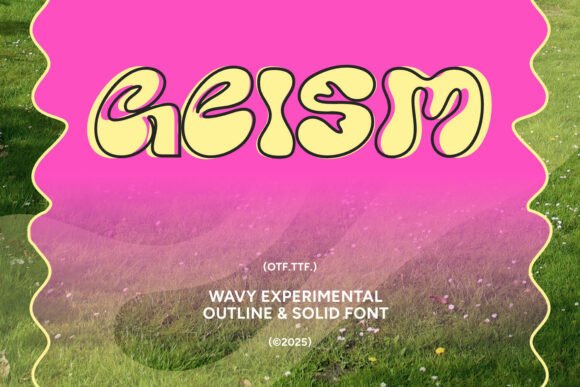
When you first encounter Geism, the immediate impression is one of movement. It is not a static font; it is a cheerful, wavy display font characterized by soft, blobby curves. The design philosophy behind Geism is rooted in nostalgia, yet it refuses to feel dated. It manages to bridge the gap between the psychedelic groovy aesthetics of the 1970s and the digital, rounded futurism of Y2K. For designers looking to inject energy into their projects, Geism offers a distinct personality that is difficult to ignore.
The Anatomy of a "Groovy" Font
To understand why Geism works so well in contemporary design, we have to look at its construction. The letterforms are not perfectly round, nor are they rigidly structured. They possess a "blobby" quality that mimics liquid or soft clay. This imperfection is intentional. In a world saturated with vector-perfect graphics, these organic shapes provide a visual resting place for the eye. They feel approachable and friendly, stripping away the corporate stiffness often associated with traditional typography.
The "wavy" aspect of Geism is subtle enough to ensure legibility but pronounced enough to create a rhythm. When you type a headline in Geism, the letters seem to dance on the baseline. This characteristic makes it an exceptional choice for large-scale applications where the shape of the letter is just as important as the word it spells. It turns typography into illustration, allowing the font itself to become the focal point of the design rather than just a vessel for information.
A Tale of Two Styles: Solid and Outline
One of the most practical features of Geism is its versatility through weight and style. It comes in two primary variations: Solid and Outline. Understanding how to leverage these two styles is key to mastering the font.
- The Solid Style: This is the anchor. It provides a heavy, grounded presence that commands attention. It is perfect for high-impact logos or packaging where the text needs to be readable from a distance. The solid fills capture color beautifully, allowing for bold, block-letter aesthetics that feel reminiscent of 70s concert posters.
- The Outline Style: This variation offers transparency and lightness. The outline preserves the wavy, bubbly shape of the letter but removes the visual weight. It is excellent for overlaying images or creating a "sticker" effect. In the context of Y2K design, the outline style mimics the look of inflated letters or neon tubing.
The real magic happens when you mix them. Modern design trends favor layering. You can place a Solid Geism headline in a deep navy blue and overlay it with an Outline version in white, slightly offset. This creates an instant 3D effect that is eye-catching and trendy. Alternatively, you can use the Solid style for the main keyword and the Outline for supporting text to create a hierarchy that is dynamic rather than static.
Reviving the 70s and Y2K Aesthetics
Trends are cyclical, and right now, the pendulum has swung back to two distinct eras that Geism embodies perfectly.
The 70s groovy influence is seen in the font's refusal to be straight. It recalls the hand-painted signage of vintage cafes and the psychedelic typography of music festivals. For projects involving music, art, or lifestyle brands that want to convey a "good vibes only" attitude, Geism is a natural fit. It feels like sunshine and summer, making it ideal for seasonal campaigns.
Simultaneously, the font nods to Y2K bubbles. Think of the graphics from the early 2000s—plastic textures, shiny surfaces, and rounded, inflated shapes. Geism fits perfectly into the current revival of this aesthetic. It captures that digital optimism. It feels retro and fresh at the same time, avoiding the trap of looking like a cheap imitation of the past. Instead, it feels like a modern interpretation of those classic styles.
Practical Applications: Where Geism Shines
The utility of a display font is defined by where it can be used without breaking the design. Geism is incredibly specialized yet surprisingly adaptable within its niche. Here are the industries and applications where this typeface truly excels.
Skincare and Beauty Packaging
The beauty industry is currently moving away from clinical, pharmaceutical-looking fonts. Brands want to look approachable, fun, and "clean" in a sensory way. The soft curves of Geism evoke the texture of lotions, serums, and creams. It suggests gentleness. Using Geism on a face mask box or a shampoo bottle immediately signals to the consumer that the product is fun to use. It breaks the monotony of the beauty aisle, making the product pop against competitors using standard serif fonts.
Festival Artwork and Merch
Music festivals, street fairs, and pop-up events rely on high-energy visuals. The typography needs to scream "party" from a poster on a telephone pole. Geism’s wavy nature mimics the movement of a crowd or the pulse of a bassline. It is perfect for t-shirt designs, tote bags, and wristbands. Because the font has such a strong personality, it requires very little other graphic elements to create a complete look. A simple word written in Geism is a design in itself.
Social Media and Big Headlines
On platforms like Instagram and TikTok, attention spans are short. You have milliseconds to stop a user from scrolling. Large, blocky text is the standard for "thumb-stopping" content. Geism works exceptionally well here because its irregular shapes create visual interest. It is not just another bold sans-serif; it is a conversation starter. It is particularly effective for "big social headlines" where the text takes up the entire screen, allowing the unique curves of the letters to shine without being cluttered by body copy.
Integrating Geism into Modern Workflows
For designers, adopting a new font involves considering the workflow. How does it pair with other elements? Geism is a display font, which means it is designed for large sizes and short bursts of text—headlines, logos, and titles. It is generally not recommended for long paragraphs of body text, as the wavy characteristics can make extended reading tiring for the eyes.
Therefore, the best practice is to pair Geism with a neutral, readable sans-serif for body copy. Fonts like Inter, Roboto, or Open Sans provide a clean, quiet background that allows Geism to be the loud, energetic star of the show. This contrast is essential. If you pair Geism with another decorative font, the design will likely feel chaotic and cluttered.
Key Considerations Before Choosing Geism
While Geism is a powerful tool, it is not a universal solution for every brand identity. Before committing to this typeface, consider the following factors:
- Brand Voice: Does your brand take itself very seriously? If you are designing for a law firm, a bank, or a medical institution, Geism is likely the wrong choice. Its playful nature might undermine the trust and authority those industries require. However, if you are in lifestyle, entertainment, food, or fashion, it could be the perfect differentiator.
- Readability at Scale: Because the letters are stylized, you must test them at the specific size they will be viewed. A logo might look great on a screen but become illegible when embroidered on a small hat due to the "blobby" curves filling in.
- Color Interaction: Geism loves color. It works best in vibrant palettes. If your brand is strictly monochromatic (black and white), ensure the contrast is high. The Outline version, in particular, needs a strong background to stand out.
The Psychology of "Soft" Design
There is a psychological reason why fonts like Geism are gaining traction. In an increasingly digital and often harsh world, "soft" design offers comfort. The rounded edges of Geism lack sharp points; there are no aggressive angles. This subconsciously signals safety and friendliness to the viewer. It reduces cognitive load and makes the content feel less intimidating.
This is particularly relevant for Gen Z and Millennial audiences, who often gravitate toward aesthetics that feel authentic and expressive. The "imperfect" look of the wavy font suggests that the brand behind it doesn't take itself too seriously and is more interested in connecting on a human level. It is a rejection of the cold, corporate aesthetic in favor of something that feels handmade and joyful.
Conclusion: Embracing the Wave
Geism is more than just a collection of letters; it is a design statement. It represents a return to fun in typography. Whether you are designing a poster for a summer festival, packaging for a new bubble bath, or a bold logo for a startup, this font provides the tools to make your work stand out.
By utilizing both the Solid and Outline weights, designers can create depth and dimension that flat design often lacks. It captures the best of the 70s and Y2K eras while remaining firmly planted in the present. If your project calls for energy, nostalgia, and a whole lot of personality, Geism is the typeface to deliver it. It proves that in design, sometimes the best way forward is to take a wavy, groovy path.