Wood Crack: Mastering the Art of Gritty Typography Without Losing Readability
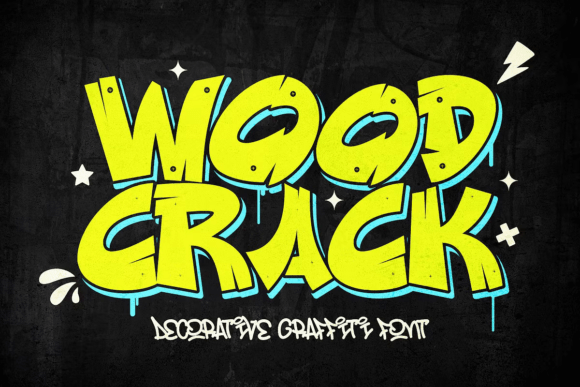
In the vast landscape of digital typography, few styles command attention quite like the Wood Crack font. It is a striking typeface that fuses the organic, splintering texture of aged timber with the aggressive, high-energy aesthetics of urban street art. For designers, marketers, and creators looking to inject a sense of raw power and ruggedness into their projects, Wood Crack offers a distinct visual language. It is not merely a collection of letters; it is a decorative statement that bridges the gap between nature’s unpredictability and the boldness of the concrete jungle.
However, utilizing a highly stylized font like Wood Crack requires more than just a desire for a "cool" look. The very elements that make it visually arresting—the jagged edges, the simulated cracks, and the heavy texture—can quickly turn a design from edgy to illegible if mishandled. Many creators, eager to embrace the gritty aesthetic, fall into common traps that undermine their message. To truly leverage the potential of this typeface, one must understand not just how to use it, but where and why it works best.
The Allure of the "Gritty" Aesthetic
Before diving into the practicalities, it helps to understand the psychology behind choosing a font like Wood Crack. We are currently seeing a design trend that moves away from the sterile, flat minimalism of the previous decade. Audiences are craving authenticity and texture. Wood Crack appeals to this desire because it implies a story. It suggests age, endurance, and a break from the polished digital world.
Whether you are designing a logo for a craft brewery, creating album art for a punk rock band, or developing a header image for an extreme sports blog, this font signals a specific vibe. It tells the viewer that the content is not corporate or sterile. However, the mistake lies in assuming that "edgy" automatically equates to "effective." A font can look amazing in isolation but fail miserably in context.
Common Pitfalls When Using Wood Crack
The primary issue with decorative, textured fonts is that they often prioritize style over substance. Here are the most frequent errors users make when working with this typeface, and how they can derail a project.
1. The Readability Trap
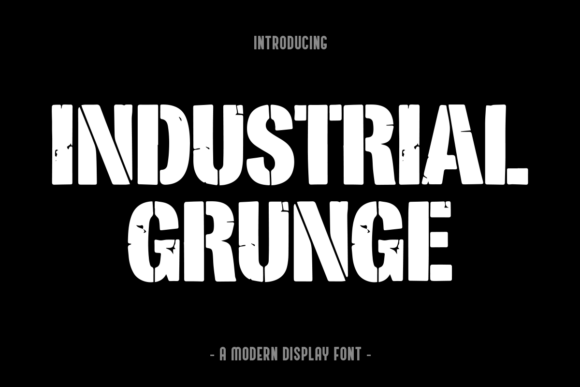
The most significant danger with Wood Crack is sacrificing legibility for style. Because the font features jagged edges and "cracks" running through the letterforms, it can become difficult to read at smaller sizes or in dense blocks of text.
The Mistake: Using Wood Crack for body text, detailed instructions, or paragraphs. The visual noise of the cracks creates eye fatigue, making the reader work too hard to decipher the message.
The Better Approach: Treat Wood Crack strictly as a display font. Use it for headlines, logos, or single-word call-outs where the letterforms can breathe. For any text that requires sustained reading, pair it with a clean, simple sans-serif or serif font. For example, a rugged headline in Wood Crack pairs beautifully with a font like Open Sans or Roboto for the body text, providing necessary contrast and balance.
2. Ignoring the Context and Brand Voice
A font is a tool for communication, and different tools suit different jobs. Wood Crack carries a very specific connotation: it is aggressive, rustic, and masculine-leaning.
The Mistake: Applying Wood Crack to a brand that requires trust, softness, or high-end luxury. Imagine a high-end wedding invitation or a pediatric dentist’s website using a font that looks like broken wood. The visual dissonance creates confusion about the brand's identity.
The Better Approach: Audit your brand values. If your brand is about nature, survival, craftsmanship, or urban culture, Wood Crack is a strong candidate. If your brand is about elegance, safety, or innovation, you should likely avoid it. Ask yourself: Does this texture support the emotion I want to evoke?
3. Overloading the Visual Hierarchy
When designers find a font they love, they often want to use it everywhere. This leads to visual clutter.
The Mistake: Using Wood Crack for the main headline, the sub-headline, and the buttons. When everything is "gritty," nothing stands out. The design loses its focal point and looks chaotic rather than intentional.
The Better Approach: Use Wood Crack as a spice, not the main course. Select one element—usually the primary headline—and render it in Wood Crack. Let that be the anchor of your design. Use solid colors and clean typography for the rest of the layout to let the font's unique texture shine without overwhelming the viewer.
Technical Considerations and Usability
Beyond aesthetics, there are practical technicalities that beginners often overlook when downloading and installing display fonts.
File Formats and Licensing
When you source Wood Crack, you must pay attention to the file format. .OTF (OpenType) and .TTF (TrueType) are standard for desktop use. However, if you are building a website, you cannot simply upload these files. You need .WOFF or .WOFF2 formats for web compatibility.
The Mistake: Downloading a desktop font and trying to upload it directly to a website builder like WordPress or Squarespace, only to find it won't load or slows down the site.
The Better Approach: Check the license terms before you download. Does the license cover web embedding? If you are using Wood Crack for a commercial logo, ensure the license permits commercial use. Many free font sites offer "free for personal use" licenses, but require a fee for business logos. Ignoring this can lead to legal headaches down the road.
Kerning and Spacing
Decorative fonts often have irregular spacing (kerning) built into them to create a chaotic look. However, in digital design, this can cause letters to overlap awkwardly or appear too far apart.
The Mistake: Accepting the default spacing without manual adjustment. Sometimes the "W" and the "o" in Wood Crack might crash into each other in a way that looks like a printing error rather than an artistic choice.
The Better Approach: Always manually adjust the tracking (overall spacing) and kerning (space between specific pairs) after typing your word. Increase the tracking slightly to let the jagged edges of the "wood" breathe. This ensures the text looks intentional, not broken.
Color and Background Strategies
The texture of Wood Crack relies on contrast to be visible. If the background is too busy, the intricate details of the cracks disappear, turning the text into a muddy blob.
Avoiding "Texture on Texture"
The Mistake: Placing Wood Crack over a highly detailed image, such as a forest canopy or a concrete wall with graffiti. The visual competition makes the text unreadable.
The Better Approach: Use solid backgrounds or images with a shallow depth of field (blurred background). High contrast is key. White text with a Wood Crack texture looks clean and bold on a dark background. Conversely, a dark wood texture works well against a clean, light canvas. If you must use an image, place a semi-transparent overlay (a color block) behind the text to separate it from the background noise.
Conclusion: Making the Statement
Wood Crack is a powerful tool in the designer's arsenal, but it demands respect. It is not a "set it and forget it" typeface. By avoiding the common pitfalls of overuse, illegibility, and contextual mismatch, you can harness its raw energy to create designs that are not only visually stunning but also effective communicators. Remember, the goal of typography is to convey a message. When used correctly, Wood Crack doesn't just display words; it creates an atmosphere, turning a simple design into a memorable experience.