Industrial Grunge: Understanding the Raw Power of Distressed Typography
In the vast universe of typography, there exists a category that refuses to sit quietly on the page. It is loud, textured, and unapologetically rough. This is the world of Industrial Grunge typefaces. For designers, brand strategists, and creatives looking to inject a sense of authenticity and raw power into their work, understanding this font style is not just about aesthetics—it is about evoking a specific visceral response. Industrial Grunge is more than just a dirty font; it is a digital homage to the grit of the real world, capturing the essence of rusted steel, worn machinery, and the hardworking spirit of industrial environments.
The Essence of Industrial Grunge: Forged from Steel and Rust
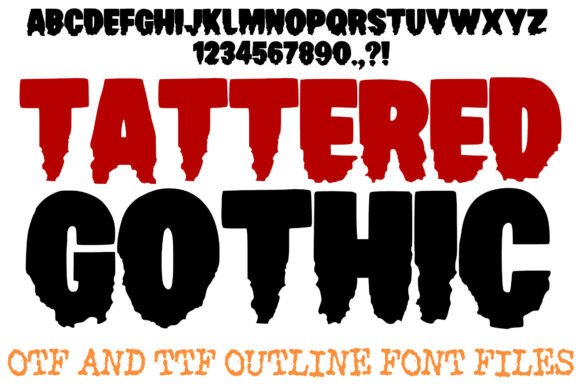
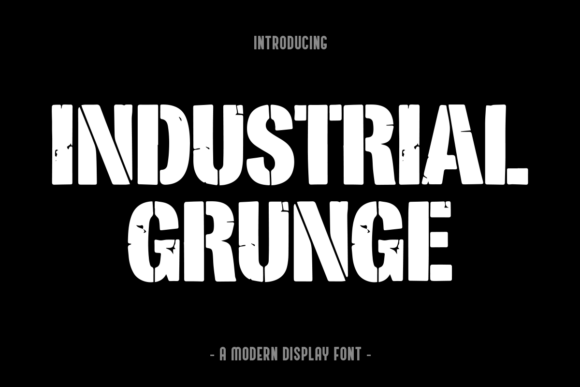
At its core, Industrial Grunge is a bold, distressed typeface characterized by its rough edges, ink traps, and weathered appearance. Unlike the pristine, geometric perfection of fonts like Helvetica or Arial, Industrial Grunge wears its history on its sleeve—or rather, on its strokes. The design philosophy behind this style is rooted in the textures of factories, mechanical parts, and aging infrastructure.
When you look at a well-designed Industrial Grunge font, you aren't just seeing letters; you are seeing the visual representation of a hard day's work. The textures mimic the look of:
- Corroded metal: Letters that look like they have been exposed to the elements for decades.
- Machine oil and grease: Smudges and imperfections that suggest a connection to heavy machinery.
- Worn paint: The visual effect of stenciled text on a brick wall or shipping crate that has faded over time.
- Concrete and grit: A roughness that feels tangible, as if you could reach out and feel the sandpaper texture of the typeface.
This aesthetic creates a powerful, rugged character. It feels authentic because it borrows visual cues from the physical world of labor and manufacturing. In an era of digital smoothness and vector perfection, the imperfection of Industrial Grunge stands out as a symbol of realism.
Why Use Distressed Typography? The Psychology of "Grit"
Why are audiences drawn to fonts that look "damaged" or "dirty"? The answer lies in the psychology of authenticity. Modern consumers and readers are often skeptical of overly polished, corporate aesthetics. A glossy, perfect font can sometimes feel sterile or impersonal. In contrast, Industrial Grunge conveys a sense of history, durability, and honesty.
When a brand or project uses this style, they are making a statement about their values:
- Strength and Resilience: The visual weight of the font suggests that the product or message is built to last. It implies a foundation of steel and concrete.
- Authenticity: The "grunge" element breaks the fourth wall of design, admitting that the world isn't perfect. This creates an immediate connection with audiences looking for "real" brands rather than faceless corporations.
- Attitude: These fonts are rarely passive. They demand attention. They are loud and assertive, making them perfect for headlines that need to scream rather than whisper.
Consider the difference between a luxury perfume ad and a poster for a heavy metal concert or a skateboarding competition. The perfume ad might use a thin, elegant serif. The concert poster, however, needs to convey energy, chaos, and volume. Industrial Grunge fulfills that need perfectly, acting as a visual amplifier for the content's intensity.
Practical Applications: Where to Use Industrial Grunge
Understanding where to deploy this font style is crucial for effective design. Because it is so textured and bold, it has specific strengths and weaknesses. It is rarely used for long body text, as the distressed edges can make reading difficult in large blocks. Instead, it shines in high-impact areas.
1. Branding and Logo Design
For businesses in sectors like construction, craft brewing, automotive repair, or outdoor adventure gear, Industrial Grunge is an ideal choice. It instantly communicates the nature of the business without a single word of explanation. A logo featuring this typeface tells customers, "We are rugged, we work hard, and we deliver solid results." It helps a brand establish an identity that feels grounded and reliable.
2. Apparel and Streetwear
The fashion industry, particularly the streetwear and workwear segments, has a long-standing love affair with grunge typography. T-shirts, hoodies, and caps often feature distressed text because it mimics the look of vintage clothing. It suggests that the garment has a story or a "lived-in" feel, which is highly desirable in modern fashion trends.
3. Event Posters and Album Art
Music genres like rock, punk, and metal have utilized grunge typography for decades to define their visual identity. However, it is also widely used in theater productions, film titles (especially thrillers or action movies), and art exhibitions that focus on urban themes. The font sets the mood immediately, preparing the viewer for an experience that is raw and emotional.
4. Web Design and UI (With Caution)
While not suitable for navigation menus or body copy, Industrial Grunge can be used effectively for hero images and main headers on websites. For a construction company’s homepage or a portfolio for a street photographer, a large, textured header can serve as a stunning visual anchor. However, designers must ensure that the text remains legible against the background to maintain accessibility.
Designing with Texture: Tips for Success
Using a distressed font effectively requires a delicate balance. If overused, the design can become cluttered and chaotic. Here are some guidelines for integrating Industrial Grunge into your projects:
- Contrast is Key: Pair the rough, textured font with a clean, minimalist sans-serif font. For example, use Industrial Grunge for the main headline and a font like Open Sans or Roboto for the body text. This contrast allows the headline to pop without overwhelming the reader.
- Color Palette Matters: These fonts often look best with muted, earthy tones or high-contrast monochromatic schemes (black and white). Think of the colors of a factory: rust reds, steel greys, concrete whites, and oil blacks.
- White Space: Because the font is visually "busy," it needs room to breathe. Surround it with plenty of white space (or negative space) to prevent the design from looking muddy.
- Size Matters: Always use Industrial Grunge at larger sizes. If you shrink it down too small, the "grungy" details will turn into visual noise, making the text unreadable.
Common Misunderstandings About Grunge Fonts
There is a common misconception that any "dirty" looking font is a grunge font, or that grunge fonts are low-quality. This is far from the truth. High-quality Industrial Grunge typefaces are meticulously crafted. Designers spend hours creating unique textures that look organic rather than repetitive.
Another misunderstanding is that these fonts are outdated, harking back only to the 1990s Seattle music scene. While the roots are there, the modern interpretation of industrial typography has evolved. Today’s versions are often more sophisticated, combining the rawness of the past with the clean geometry of modern design principles. They are less about "chaos" and more about "controlled texture."
The Future of Industrial Aesthetics
As we move further into the digital age, there is a growing counter-movement seeking tangibility and realism. We see this in the resurgence of vinyl records, the popularity of craft goods, and the appreciation for artisanal work. Industrial Grunge typography fits perfectly into this cultural shift. It serves as a reminder of the physical labor and the mechanical processes that underpin our modern world.
Whether you are designing a logo for a new startup, creating a poster for a local event, or simply exploring different typefaces for a creative project, Industrial Grunge offers a toolset that is rich with character. It is a style that does not just display words; it shouts them, stains them, and stamps them onto the page with the weight of a hydraulic press.
Conclusion
In summary, Industrial Grunge is far more than a distressed font style. It is a design language that speaks of strength, resilience, and authenticity. By understanding its origins in machinery and infrastructure, and by applying it thoughtfully through contrast and composition, designers can create visuals that are not only striking but also deeply resonant. In a world that often feels overly digital and polished, the grit of Industrial Grunge offers a refreshing, powerful connection to the raw, hardworking aesthetic of the real world.