Tattered Gothic: Evaluating a Font for Aggressive and Distressed Design Projects
In the search for typography that conveys raw power, decay, and an unapologetic edge, designers often encounter typefaces that promise a bold statement. Tattered Gothic is one such font, engineered specifically to inject a dark, aggressive energy into visual communications. This article provides a balanced evaluation of its characteristics, ideal applications, and important considerations to help you determine if it aligns with your project's goals.
Understanding the Tattered Gothic Typeface
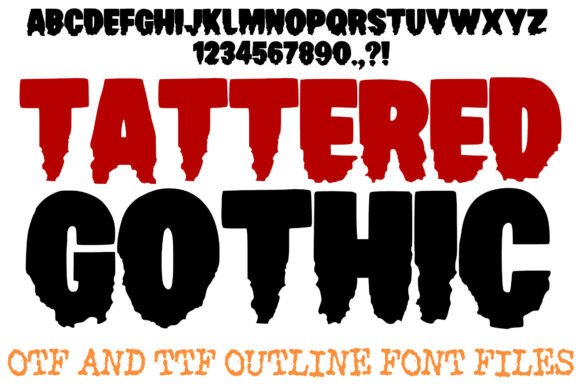
Tattered Gothic is a display typeface defined by its hand-drawn aesthetic. Its design philosophy centers on creating a high-impact, distressed look. The core characteristics include heavy, solid block silhouettes that provide a strong, visible foundation. These sturdy letterforms are distinctly contrasted by their bottom edges, which dissolve into jagged, shredded details. This combination creates the impression of weathered, torn material or rough-cut stone, a quality central to its appeal.
It is important to note the font's technical specifications. The provided files are in OTF and TTF formats. The character set is limited, featuring capital letters in an outline style, punctuation, and numbers. This is a common trait for specialized display fonts, meaning it is not intended for body copy or extensive text passages. Its role is singular and focused: to act as a headline or logo font where its unique texture can be fully appreciated.
When Does Tattered Gothic Excel? Ideal Use Cases
The strength of Tattered Gothic lies in its ability to instantly communicate a specific mood. Evaluating whether it fits your project involves matching its inherent style to your desired outcome. It tends to be a strong candidate in the following scenarios:
- Heavy Metal and Punk Rock Aesthetics: The font's aggressive, shredded edges naturally align with the visual language of extreme music genres. It can be highly effective for album covers, band logos, and concert posters where an authentic, gritty feel is paramount.
- Horror and Dark Fantasy Branding: For projects involving horror movie titles, haunted attraction marketing, or dark fantasy book covers, the "decayed" and "powerful" connotations of the font can enhance the thematic experience.
- Edgy Streetwear and Urban Apparel: The distressed stencil art quality of the letterforms can lend an authentic, raw edge to streetwear branding, skate graphics, or urban event posters.
- Themed Events and Promotions: Any event aiming for a deliberately rough, powerful, or rebellious atmosphere—such as a punk rock festival, a horror convention, or a gritty urban art show—can benefit from the font's unmistakable presence.
In these contexts, Tattered Gothic delivers a bold, unmistakable presence that demands attention and reinforces the project's core theme with visual efficiency.
Benefits and Tradeoffs: A Practical Consideration
Choosing a typeface like Tattered Gothic involves weighing its distinctive benefits against its inherent limitations. A practical decision requires understanding both sides.
Key Benefits
- High-Impact Visual Identity: The unique "tattered" aesthetic ensures that text set in this font will stand out. It creates an immediate and powerful visual hook, which is crucial for logos, titles, and headlines that need to capture attention quickly.
- Authentic Texture: The uneven outlines mimic hand-cut or distressed stencil art, adding a layer of authenticity and craftsmanship that digital-only fonts often lack. This can make designs feel more tactile and real.
- Clear Thematic Communication: The font does not require explanation; its style instantly communicates themes of power, decay, rebellion, and edge. This can streamline the design process by eliminating ambiguity in mood.
Important Tradeoffs and Considerations
- Limited Versatility: This is not a workhorse font. Its aggressive, decorative nature makes it unsuitable for most professional, corporate, or readable contexts. Overuse can overwhelm a design and reduce legibility.
- Character Set Limitations: The inclusion of only capitals, punctuation, and numbers means you cannot use it for lowercase text or extended writing. Planning your copy to work within these constraints is essential.
- Context is Crucial: The font's effectiveness is entirely dependent on the project's context. Using it for a children's brand or a healthcare website would create a severe dissonance in messaging. It must align with the project's subject matter and audience expectations.
- Legibility at Small Sizes: The intricate shredded details that define its character may become lost or create visual noise when rendered at very small sizes. It is best used at larger scales where its details can be clearly perceived.
Making Your Decision: Is Tattered Gothic the Right Tool?
To determine if Tattered Gothic aligns with your goals, conduct a focused evaluation against your project's specific needs. Ask yourself the following questions:
- What is the core emotion or message? If the answer involves aggression, decay, power, rebellion, or a dark, gritty aesthetic, this font is a relevant candidate. If the message is professional, clean, or elegant, it is likely a poor fit.
- What is the primary application? Is it for a short, impactful headline, a logo, or a title? If so, its design strengths can be leveraged. If you need a font for paragraphs of information or user interfaces, you must look elsewhere.
- Who is the audience? Will this audience appreciate and respond to a raw, distressed visual style? Understanding your audience's expectations is critical to effective communication.
- What are the technical requirements? Do you need lowercase letters or a full extended character set? If so, this font's limitations will require a supplementary typeface for other text elements, which should be factored into your design system.
If your project passes this evaluation, Tattered Gothic can be a powerful tool. It excels in niche applications where its specific aesthetic is an asset rather than a liability.
Exploring Alternatives
Situations where Tattered Gothic may not be the best choice include projects requiring subtlety, versatility, or a broader character set. If you need a distressed look but with more flexibility, consider exploring other distressed typefaces that offer multiple weights or styles. For projects that need a bold, heavy font without the "tattered" texture, a solid industrial or grotesque sans-serif might provide the necessary impact with greater versatility. Always ensure the chosen typeface supports the full scope of your typographic needs, from headlines to supporting text.
Ultimately, Tattered Gothic is a specialized instrument in a designer's toolkit. Its value is not in universal application, but in its ability to deliver a specific, high-impact visual language with authenticity. By carefully evaluating your project's goals, audience, and context, you can make an informed decision on whether its aggressive, weathered character will serve your design effectively.