Raised Stencil: A Modern Typeface for Structured and Impactful Design
In the world of design, typography is a foundational element that can dictate the entire tone and effectiveness of a project. A typeface is not merely a set of letters; it is a tool with a specific personality and function. Among the many styles available, stencil fonts hold a unique place, historically associated with utility, manufacturing, and military applications. However, modern interpretations have elevated this functional style into a sophisticated design choice. Raised Stencil is a prime example of this evolution, offering a contemporary, bold, and geometrically precise stencil typeface built for today's visual landscape.
Understanding the Design DNA of Raised Stencil
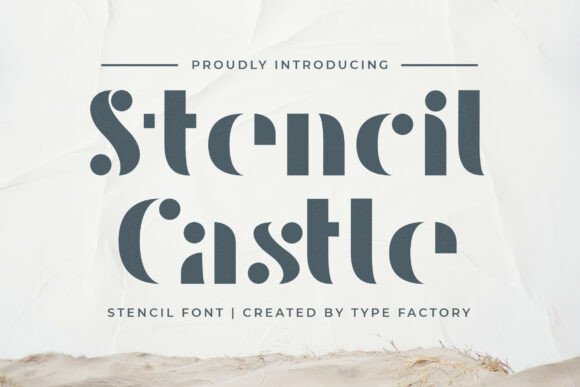
At its core, Raised Stencil is a display typeface characterized by its clean, structured letterforms. Unlike traditional stencil fonts that can sometimes appear rugged or distressed, Raised Stencil embraces a modern, digital-first aesthetic. Its defining feature is the strategic use of geometric cuts and breaks within the characters. These cuts are not random; they are carefully placed to maintain the legibility and integrity of each letter while introducing a distinctive, engineered visual rhythm.
The letterforms are bold and assertive, built on a foundation of simple geometric shapes. This gives the font a strong, contemporary character that feels both technical and stylish. It avoids unnecessary ornamentation, focusing instead on the power of negative space and clean lines. This design philosophy makes Raised Stencil incredibly versatile. It can convey a sense of innovation and precision in a tech brand's logo, or it can deliver a powerful, no-nonsense message on a poster. The font includes a comprehensive character set, featuring uppercase and lowercase letters, numerals, punctuation, ligatures, and multilingual support. This completeness ensures that designers are not limited in their ability to create complex and nuanced typographic compositions.
Integrating Raised Stencil into Your Design Workflow
Integrating a new typeface into a professional workflow requires more than just downloading a file. It involves understanding where and how the font's strengths can be leveraged for maximum impact. Raised Stencil is a display font, meaning it is engineered for headlines, titles, logos, and other applications where it will be seen at larger sizes. It is not intended for long-form body text, where its boldness and unique structure would reduce readability. Its role is to command attention and establish a visual hierarchy.
Phase 1: Strategic Planning and Conceptualization
The most effective use of Raised Stencil begins at the project's conceptual stage. Before you even open your design software, consider the message and mood you need to convey. Ask yourself: Does this project require a bold, modern, and slightly technical feel? If you are designing for a brand in the technology, automotive, architecture, or streetwear sectors, Raised Stencil could be an ideal fit. During the mood board and style tile phase of a branding project, you can introduce Raised Stencil to establish a strong typographic direction early on. This proactive approach ensures that the typeface becomes an integral part of the design system, rather than a late addition that feels disconnected.
Phase 2: Practical Application and Execution
During the active design and production phase, Raised Stencil can be deployed across a wide range of applications. Its structured nature makes it particularly effective for creating clear and impactful visual communication.
- Branding and Logo Design: The font's geometric cuts can be used to create unique and memorable logos. Its bold weight ensures visibility and presence across different media, from a website header to a physical storefront sign.
- Poster and Packaging Design: For posters and packaging, typography must often work in tandem with imagery. Raised Stencil's clean style allows it to stand out against busy backgrounds without clashing. Use it for product names, event titles, or key selling points to grab the consumer's attention instantly.
- Digital Interfaces and Social Media: In the digital realm, Raised Stencil excels as a font for call-to-action buttons, website banners, and social media graphics. Its high legibility at a glance makes it perfect for communicating a quick, powerful message to a scrolling audience.
- Product and Environmental Design: The font's modern, industrial feel translates well beyond the screen. It can be used for labeling on products, apparel graphics, or signage in a physical space, reinforcing a brand's contemporary identity.
Pairing and Composition for a Cohesive Visual Language
A display typeface rarely works in isolation. The true skill in typography lies in pairing it with other fonts to create a harmonious and functional system. Raised Stencil's bold, geometric personality requires a complementary partner. The best approach is to pair it with a simple, highly readable sans-serif or a classic serif font for body text.
For a clean, modern, and cohesive look, pair Raised Stencil with a neutral sans-serif like Helvetica, Arial, or a similar geometric sans-serif. This combination creates a clear hierarchy where Raised Stencil handles the headlines and the sans-serif manages the supporting information. This is a safe and effective workflow for most branding and digital projects.
For a more dynamic and contrasting composition, consider pairing it with a traditional serif font like Garamond or Georgia. The contrast between the modern, structured stencil and the classic, organic flow of the serif can create a sophisticated and visually engaging tension. This is often used in editorial design, high-end packaging, or branding that aims to blend modernity with tradition. The key is to ensure the body text font is highly legible and does not compete with the visual flair of Raised Stencil.
Long-Term Usability and Quality Control
When adopting any font for a long-term project or a brand identity, practical considerations are paramount. Raised Stencil is designed with usability in mind. Its multilingual support makes it a reliable choice for brands that operate internationally, ensuring consistency across different languages and markets. The inclusion of ligatures and alternate characters provides advanced typographic control, allowing designers to fine-tune spacing and create more polished compositions.
Consistency is a cornerstone of professional design. By establishing Raised Stencil as the primary display font in a brand's style guide, you ensure that all future marketing materials, from email newsletters to trade show banners, maintain a unified and recognizable visual identity. Its strong, clean forms are less susceptible to misinterpretation across different rendering engines and printing processes, contributing to a higher level of quality control. The font's contemporary design also gives it a degree of timelessness; it is modern without being overly trendy, suggesting it will remain a relevant and effective tool in your design toolkit for years to come.
Conclusion: A Tool for Modern Communication
Raised Stencil is more than just a stencil font; it is a refined typographic instrument for clear, bold, and modern communication. Its strength lies in its structured design, versatility across media, and ability to integrate seamlessly into a professional workflow. By understanding its ideal use cases as a display font and pairing it thoughtfully with complementary typefaces, designers, marketers, and business owners can leverage Raised Stencil to create powerful and lasting impressions. It is a practical choice for anyone looking to inject a dose of contemporary precision and impactful character into their visual projects.