Mr. Fox: How Ornate Typography is Bridging the Gap Between Digital Design and Artisanal Craft
In an era dominated by clean lines, sans-serif minimalism, and the relentless pursuit of digital legibility, a counter-movement is quietly reshaping the visual landscape of branding and editorial design. We are witnessing a profound shift toward storytelling typography—fonts that do not merely display text but actively participate in the narrative. At the forefront of this evolution is Mr. Fox, a typeface that transcends the traditional boundaries of a font file to become a piece of art in its own right.
The Renaissance of the "High-Context" Font
For years, the design industry prioritized utility. The rise of mobile-first design and user experience (UX) frameworks necessitated typefaces that performed flawlessly at any size, often sacrificing character for clarity. While this approach solved functional problems, it created a visual homogeneity. Today, creators, entrepreneurs, and marketers are recognizing that brand distinctiveness requires more than just a clean layout; it requires texture, history, and emotion.
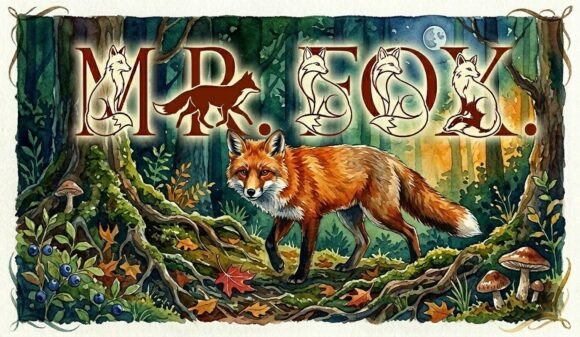
Mr. Fox enters this landscape not as a mere tool, but as a statement. It is a beautifully crafted, ornate serif typeface that draws its soul from vintage woodcut engravings and classic literature. However, its defining feature is the seamless integration of intricate, hand-drawn animal illustrations directly into the elegant serif letterforms. This is the essence of "High-Context" design—where the typography carries a specific aesthetic weight and cultural reference, instantly transporting the viewer to a world of whimsical elegance and vintage wilderness.
Anatomy of a Storybook Aesthetic
Understanding why Mr. Fox captures attention requires a look at its construction. Unlike standard display fonts that rely on bold weights or unusual angles to catch the eye, this typeface relies on micro-typography and illustration. The design philosophy mirrors the craftsmanship of 19th-century printing presses, where every line was deliberate.
- Serif Foundations: The base structure is a robust, readable serif, ensuring that despite its ornamental nature, it retains a classic dignity suitable for headlines and titling.
- Illustrative Integration: The "magic" lies in the negative space and the strokes of the letters. Cunning foxes, majestic bears, and delicate woodland creatures are woven into the architecture of the font. They do not obstruct legibility; rather, they reward closer inspection.
- Organic Texture: The edges of the letters mimic the imperfect ink bleed of a woodblock print, adding a tactile, human quality that digital vectors often lack.
This combination allows designers to inject personality into their work without needing to commission custom illustrations for every headline. The font itself becomes the illustration.
Why Professionals Are Taking Notice
The relevance of a typeface like Mr. Fox extends beyond aesthetic preference; it is a response to changing consumer expectations and market trends. In a crowded digital marketplace, audiences are developing "banner blindness" to generic corporate visuals. They crave authenticity.
The "Cottagecore" and Heritage Trend
Lifestyle and consumer trends have seen a massive resurgence in valuing the natural, the handmade, and the heritage-inspired. From the "cottagecore" aesthetic in interior design to the resurgence of craft spirits and artisanal goods, consumers are gravitating toward brands that feel rooted in tradition. Mr. Fox aligns perfectly with this movement, offering a visual shorthand for quality, nature, and timelessness. It is particularly relevant for:
- Artisanal Branding: Craft breweries, boutique bakeries, and organic skincare lines can use this font to immediately communicate a hands-on, natural approach.
- Publishing and Editorial: Independent bookshops, literary magazines, and book cover designers find Mr. Fox indispensable for evoking the romance of classic literature.
- Event Stationery: For weddings or high-end events with a "woodland" or "enchanted forest" theme, the typeface serves as a central design element rather than just text.
Escaping the "Template Trap"
Freelancers and agencies often face the challenge of creating unique designs within tight budgets or timelines. The reliance on standard templates can lead to a portfolio that feels repetitive. Mr. Fox offers a practical solution. By utilizing a font that carries such strong visual character, a designer can transform a simple layout into a bespoke-feeling design instantly. It allows for the creation of statement pieces—hero images, logos, and headers—that stand out in a feed of sans-serif neutrality.
Practical Application: Workflow and Integration
For the modern creative, the integration of a complex typeface into a workflow requires consideration. Mr. Fox is designed to be a display font, meaning it shines brightest in large formats where its intricate details can be appreciated.
Best Practices for Implementation:
- Contrast is Key: Because Mr. Fox is dense and detailed, it pairs best with clean, simple sans-serifs or light-weight text fonts. This contrast ensures the headline remains legible while the body text maintains readability.
- Color and Texture: This typeface thrives on textured backgrounds. Think kraft paper, linen, or watercolor washes. It also performs exceptionally well in monochromatic schemes (black and white) to emphasize the woodcut aesthetic, or in deep, earthy tones like forest green and burnt sienna.
- Spacing: Ornate fonts often benefit from generous letter-spacing (tracking). Giving Mr. Fox room to breathe allows the viewer to appreciate the illustrations within the letterforms without the text feeling claustrophobic.
The Broader Implications for Visual Communication
The rise of fonts like Mr. Fox signals a broader shift in how we value visual storytelling. In a world increasingly mediated by screens, there is a hunger for the tactile and the narrative. We are moving away from "content as data" and back toward "content as art."
For entrepreneurs and marketers, this presents an opportunity. By adopting typography that tells a story, brands can foster a deeper emotional connection with their audience. A logo set in Mr. Fox suggests a brand that cares about details, appreciates history, and isn't afraid to show a bit of whimsy. It suggests a personality rather than a corporate entity.
Conclusion: A Modern Classic
Mr. Fox is more than just a collection of vectors; it is a bridge between the digital age and the golden age of illustration. It proves that legibility and personality are not mutually exclusive. For the designer seeking to break free from the grid, the marketer looking to tell a richer brand story, or the creator aiming to evoke a sense of wonder, this typeface offers a tangible solution. In the end, Mr. Fox reminds us that in design, as in nature, it is the details that capture the imagination.