Millennium Font: The Gothic-Inspired Typeface Bridging Medieval Art and Modern Design
In the vast universe of typography, fonts are rarely just a collection of letters; they are vessels of history, mood, and identity. While modern design often leans toward the clean lines of sans-serif fonts or the familiar comfort of traditional serifs, there exists a specialized category that draws its power from the shadows of the past. Among these, the Millennium font stands out as a distinct, gothic-inspired typeface that captures the essence of medieval manuscripts while serving the needs of contemporary graphic design.
For general readers, designers, and hobbyists alike, understanding a font like Millennium offers a window into how typography influences our perception of brands, entertainment, and art. This article explores the origins, characteristics, and practical applications of the Millennium typeface, clarifying how its gothic roots translate into modern relevance.
Understanding Gothic Typography: More Than Just "Gothic"
Before diving into the specifics of the Millennium font, it is essential to clarify a common misunderstanding. In typography, the term "gothic" can refer to two very different things. In the context of North American design, "gothic" is often used interchangeably with sans-serif fonts (like Arial or Helvetica). However, historically and globally—and specifically regarding the Millennium font—gothic refers to Blackletter typography.
Blackletter originated in the 12th century and was the standard script used for writing in Western Europe for centuries. It is characterized by dense, dark, and highly decorative strokes. Think of the text in the Gutenberg Bible or the opening credits of a medieval fantasy film; that is the visual DNA of gothic typography. The Millennium font taps into this rich heritage, offering a visual language that speaks of antiquity, authority, and drama.
Defining the Millennium Font
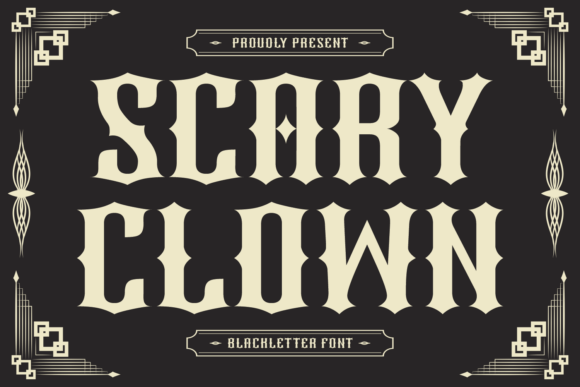
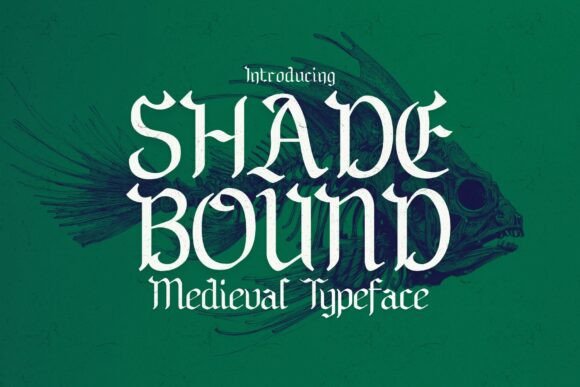
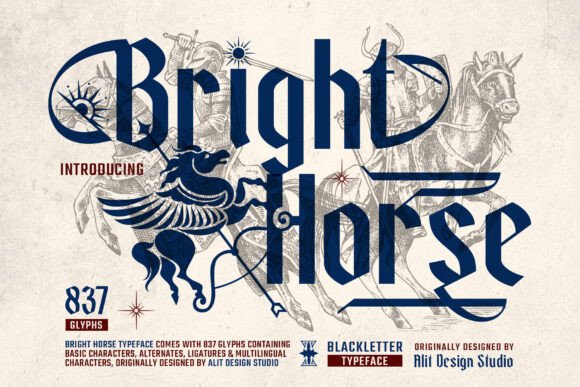
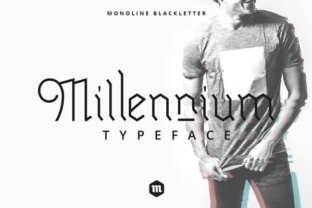
The Millennium font is not merely a copy of ancient calligraphy; it is a reinterpretation of gothic aesthetics for modern use. It retains the structural elements of Blackletter—vertical stress, angular lines, and ornamental serifs—but often streamlines them to ensure legibility in contemporary contexts.
Unlike historical scripts that were designed for dense blocks of text in books, Millennium is typically designed as a display typeface. This means it is intended for headlines, logos, and short bursts of text where visual impact is paramount. Its design philosophy balances the chaotic energy of gothic script with the structured needs of digital design, making it a versatile tool for specific creative needs.
Key Visual Characteristics
When you examine the Millennium font, several distinct features define its personality:
- Angular Construction: The letters are built on sharp angles and geometric shapes, moving away from the rounded forms of standard script fonts.
- High Contrast: There is often a significant difference between the thick and thin strokes of the letters, creating a dynamic, textured appearance.
- Ornamental Details: You may notice decorative curls or sharp spurs on the ends of letters, a nod to the pen strokes of medieval scribes.
- Compact Spacing: Gothic-inspired fonts often have a tighter letter spacing, which contributes to a "wall of text" effect that feels dense and substantial.
The Significance of Gothic-Inspired Fonts in Design
Why do designers still reach for fonts like Millennium in the 21st century? The answer lies in semiotics—the study of signs and symbols. Fonts carry psychological weight. A rounded sans-serif font might feel friendly and approachable, but a gothic-inspired font like Millennium conveys something entirely different.
It suggests tradition, strength, and heritage. In some contexts, it can also imply rebellion, darkness, or mystery. This makes the Millennium font a powerful tool for branding. When a designer chooses this typeface, they are making a deliberate choice to evoke a specific emotional response from the viewer.
Practical Applications: Where Millennium Shines
While you would not use the Millennium font to write a business email or a technical manual, it has carved out a significant niche in various industries. Its practical relevance is found in areas where visual storytelling is key.
1. Branding and Logo Design
For businesses that want to project an image of longevity or artisanal quality, Millennium is an excellent choice. This is particularly true for:
- Craft Breweries and Distilleries: The font mimics the look of old European crests, suggesting a recipe handed down through generations.
- Heavy Metal and Rock Bands: The aggressive, sharp lines of the font align perfectly with the aesthetics of the music genre.
- Fashion Labels: High-end streetwear or avant-garde fashion brands often use gothic fonts to add an edge of exclusivity and rebellion.
2. Entertainment and Media
The film and gaming industries rely heavily on typography to set the mood before the audience even sees a single frame of footage. The Millennium font is ideal for:
- Fantasy and Horror Genres: Whether it is a book cover for a vampire novel or the title screen for a video game set in a dark castle, this font instantly transports the viewer to another world.
- Movie Posters: It helps in creating a sense of drama and epic scale.
3. Personal Creativity and DIY Projects
With the rise of digital crafting tools like Cricut and Canva, fonts like Millennium are popular among hobbyists. They are frequently used for:
- Wedding Invitations: For couples choosing a "Dark Romance" or medieval-themed wedding, the font adds a touch of elegant darkness.
- Tattoo Art: The font style translates well into tattoo lettering, where permanence and style are paramount.
- Social Media Graphics: Influencers looking to create a moody or edgy aesthetic for their Instagram feeds often utilize gothic fonts for their headers and titles.
Millennium in the Digital Age: Technology and Readability
One of the challenges with gothic-inspired fonts has always been legibility. In the past, complex scripts were difficult to read on low-resolution screens. However, modern font technology has changed this.
The Millennium font benefits from vector graphics, which allow it to scale to any size without losing quality. Whether it is displayed on a massive billboard or a small mobile screen, the sharp edges remain crisp. However, readability remains a consideration. Because the letterforms are complex, they are best used at larger sizes. Using a font like Millennium for body text (the main paragraph of an article) would make reading difficult and exhausting for the eye. It is designed to be seen, not necessarily to be read in long passages.
Common Misunderstandings About Gothic Fonts
There are a few assumptions about fonts like Millennium that are worth correcting:
- Myth: They are hard to read.
Reality: While they are harder to read than Arial, a well-designed gothic font is perfectly legible for short words and headlines. The issue arises only when they are used for long sentences. - Myth: They are only for "dark" themes.
Reality: While they fit the goth aesthetic, they are also deeply rooted in religious and historical texts. They can be used to convey wisdom, history, and tradition, not just spookiness. - Myth: All gothic fonts look the same.
Reality: There is a wide variety within the genre. Some are "Old English" style (very flowery), while others, like Millennium, might be more geometric or industrial.
Conclusion: The Enduring Power of the Past
The Millennium font serves as a bridge between the ancient art of calligraphy and the modern science of digital design. It reminds us that even in an age of sleek minimalism, there is a deep appreciation for the ornate, the dramatic, and the historical.
For anyone looking to add depth to their creative projects, understanding how to use a gothic-inspired typeface like Millennium is a valuable skill. It requires a careful balance—using it to capture attention without sacrificing clarity. When applied correctly, the Millennium font does more than just spell out words; it tells a story of centuries past, reimagined for the present day.