Unleash Urban Energy with Graffiti Splash Typography
There is a specific kind of energy found on city walls and skate parks that traditional fonts simply cannot replicate. It is raw, unpolished, and dripping with personality. For designers looking to capture that rebellious spirit without actually breaking the law, typography is the key. Graffiti Splash stands out as a digital solution that mimics the visceral impact of wet spray paint. It is not just a collection of letters; it is a visual statement that demands attention. When you need a design to scream rather than whisper, this style of typeface provides the volume necessary to be heard in a crowded visual landscape.
The Anatomy of a Street-Inspired Typeface
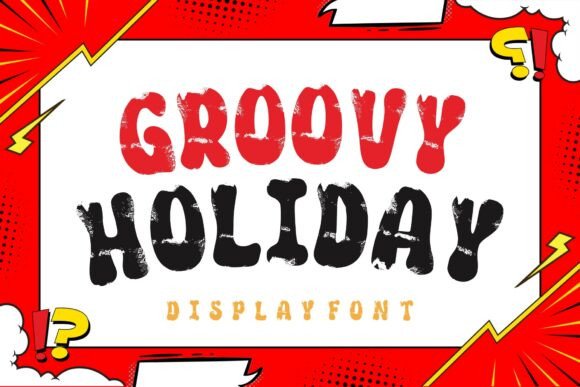
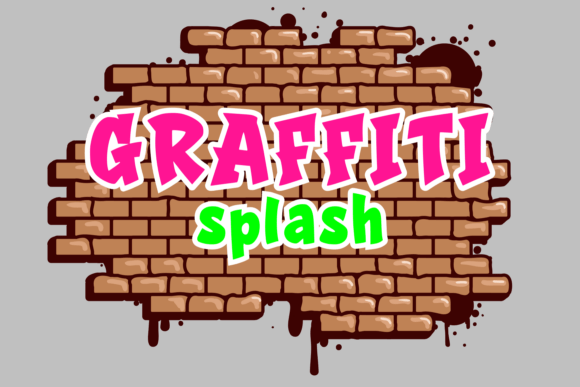
What makes a font feel like graffiti? It comes down to the details of the letterforms. Graffiti Splash features chunky, robust characters that feel heavy and grounded. Unlike the rigid geometry of sans-serifs or the delicate strokes of scripts, this typeface embraces irregularity. The edges are often rough, mimicking the texture of concrete or the way paint bleeds into porous surfaces. This raw aesthetic is vital for creating designs that feel authentic to street culture. If the letters were too perfect, they would lose the "hand-tagged" quality that makes street art so personal and immediate.
Furthermore, the "splash" element is crucial. This refers to the visual evidence of the medium—wet paint. In typography, this translates to drips, splatters, and inconsistent opacity. These imperfections are actually the defining features. They suggest movement and speed. When a viewer sees Graffiti Splash, they subconsciously understand that this text was created with force and fluidity. This distinguishes it from static, digital-looking fonts that feel sterile. The goal is to bridge the gap between the digital canvas and the physical act of painting a wall.
Visual Rhythm and Layout Considerations
Using a display font like Graffiti Splash requires a different approach to layout than standard body copy. Because the letters are bold and distinct, they create a strong visual rhythm. You cannot simply type a paragraph in this style and expect it to be legible. Instead, it is best utilized for headlines, logos, and standalone phrases. The spacing between letters—known as tracking—often needs to be tight. Graffiti artists rarely leave large gaps between their letters; they treat the word as a single, connected visual block. Tightening the kerning helps replicate this unified look.
However, legibility is a balancing act. While the style is chaotic, the message must still be readable. This is where hierarchy comes into play. If you are designing a poster, let Graffiti Splash own the main title. Keep the supporting information in a clean, simple sans-serif. This contrast ensures that the "edgy" vibe does not overwhelm the viewer's ability to process the information. The graffiti font draws the eye in, while the clean font holds the details. This interplay is essential for effective communication in modern graphic design.
Practical Applications in Modern Design
The versatility of Graffiti Splash extends far beyond just mimicking street art. Its bold presence makes it suitable for a variety of projects where standing out is the priority. Here are some specific scenarios where this font excels:
- Merchandise and Apparel: T-shirts, hoodies, and caps often rely on bold graphics. A hand-tagged look gives clothing a streetwear authenticity that resonates with younger demographics.
- Music Industry Branding: Album covers for Hip Hop, Punk, and Rap genres frequently utilize graffiti styles. It signals to the audience that the music is raw, underground, or high-energy.
- Event Posters: Whether it is a skateboarding competition, an underground art show, or a local gig, Graffiti Splash sets the tone immediately. It tells the viewer the event is informal and exciting.
- Digital Content Creation: YouTube thumbnails and social media stories need to grab attention in milliseconds. The drip effect and bold strokes of this font style are perfect for cutting through the noise of a busy feed.
Capturing the "Wet Paint" Vibe
One of the most distinct characteristics of this font family is the simulation of wet paint. In the physical world, gravity pulls paint downward, creating drips. Graffiti Splash incorporates these elements into the character design. This adds a layer of depth and realism to digital designs. It suggests that the text is not just printed on the surface but is actually part of it, reacting to physics.
When using these features, context matters. A drip effect on a vertical title works well because it aligns with gravity. However, using a heavy drip font for a background texture might look messy. It is important to treat the font as a focal point. The "splash" aspect works best when it has room to breathe. If you crowd the design with too many competing elements, the intricate details of the spray paint effect get lost. Give the typography space to be the hero of the design.
Color Theory and Contrast
Graffiti is rarely monochromatic in the real world, but in digital design, high contrast is your best friend. Graffiti Splash works incredibly well in black and white. The stark contrast emphasizes the texture and the chunky weight of the letters. However, to truly capture the street art vibe, color is a powerful tool.
Consider using neon colors against dark, textured backgrounds like asphalt or concrete. This mimics the look of spray paint on a night street. Alternatively, using a single bright color for the text on a muted background can create a stencil effect. When choosing colors, avoid pastels. This style demands saturation. Think electric blues, neon greens, and hot pinks. These colors reflect the vibrancy of urban environments and the high-energy nature of the Graffiti Splash aesthetic.
Choosing the Right Context
While Graffiti Splash is fun and energetic, it is not a universal solution. It is a display typeface, meaning it is designed for short bursts of text. Using it for long-form body copy would be disastrous for readability. It is also important to consider the tone of the project. While it fits perfectly for youth-oriented brands, extreme sports, and music, it might feel out of place in corporate banking or medical documentation.
The key is to match the font’s personality with the brand’s voice. If the brand wants to appear rebellious, youthful, and unapologetic, then this is the perfect choice. It acts as a visual shorthand for "cool" and "counter-culture." By understanding these nuances, designers can use Graffiti Splash not just as decoration, but as a strategic tool for connecting with a specific audience.
Integration with Modern Workflows
In today's fast-paced design environment, assets need to be easy to use. Graffiti Splash is designed to drop into projects seamlessly. Because it operates as a standard font file, it works across all major design software, from Adobe Illustrator to Canva. This accessibility means you don't need to be a master illustrator to achieve a hand-painted look.
For designers working on tight deadlines, this is a lifesaver. Instead of spending hours creating custom lettering, you can type out your message and apply the style instantly. It democratizes the street art aesthetic, allowing creators at all skill levels to bring that "edgy, hand-tagged look" to their work. Whether you are designing a sticker for a laptop or a large-scale banner, the workflow remains efficient and the results remain impactful.