Integrating Selectric Pica: A Process-Oriented Approach to Vintage Typography
In the realm of digital design, typography is rarely just about selecting a font; it is about choosing a tool that facilitates a specific communication goal. Selectric Pica is a slab serif typewriter-themed font that serves a distinct function within a creative workflow. It is not merely a decorative asset but a functional component designed to bridge the gap between modern digital precision and the tactile aesthetic of mid-century documentation. For professionals, creators, and entrepreneurs, understanding where and how to implement this typeface is essential for maintaining efficiency and visual consistency.
The Functional Role of Selectric Pica in Design Systems
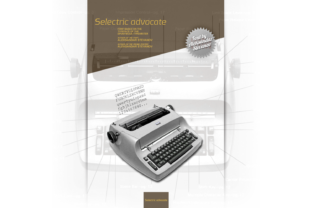
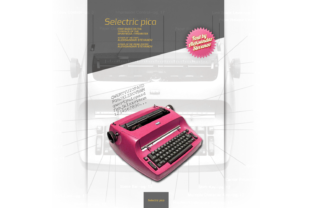
Before integrating any asset into a project, it is necessary to define its utility. Selectric Pica is characterized by its monospaced spacing and mechanical weight, evoking the output of an IBM Selectric typewriter. This specific aesthetic carries semantic weight; it implies authenticity, historical reference, and a raw, unpolished honesty. Therefore, its role in a design system is specific. It is ideal for projects where the process of creation is part of the narrative, or where a vintage touch is required to establish a specific mood without sacrificing legibility.
When planning a design system, typography must be categorized. You generally have your primary body text, your display headers, and your utility text. Selectric Pica often excels in the utility and display categories rather than long-form body text on screens. It fits into a broader process by acting as a visual anchor that grounds a digital experience in a tangible reality. For example, in a user interface (UI) that mimics a terminal or a retro operating system, this font provides the necessary visual language to make the interface intuitive.
Pre-Project Planning and Asset Preparation
The successful implementation of Selectric Pica begins in the planning phase. Before opening a design tool or a code editor, you must assess the compatibility of the font with your platform and your audience. This involves checking licensing for web use, ensuring the font file formats (such as WOFF2 for web or OTF for desktop) are compatible with your build pipeline, and defining the typographic scale.
Because Selectric Pica is a slab serif with typewriter characteristics, it behaves differently than sans-serif fonts like Helvetica or Roboto. It has a distinct x-height and character width that can impact layout spacing. During the preparation phase, designers should establish a baseline grid that accommodates the font's natural rhythm. If you are using a design tool like Figma or Adobe XD, create a text style sheet specifically for this font early on. This saves time during the execution phase by preventing ad-hoc adjustments to line height and letter spacing.
Compatibility with Modern Workflows
Integration requires compatibility checks. Does Selectric Pica render well across different browsers and operating systems? While web fonts are generally standardized, subtle rendering differences can occur. It is a best practice to define a fallback stack in your CSS. For instance, if Selectric Pica fails to load, the system should revert to 'Courier New' or monospace to maintain the intended structural integrity of the layout. This ensures that the functional aspect of the design—such as code blocks or typewriter effects—remains usable even if the specific aesthetic asset fails.
Implementation: During the Creative Process
Once planning is complete, the focus shifts to execution. The implementation of Selectric Pica is most effective when used with restraint. Overusing a thematic font can lead to visual clutter and reduce readability. Instead, use it to highlight specific elements within a workflow.
Workflow Example: Editorial and Blog Design
Consider a content marketing workflow for a blog. The goal is to convey expertise and a "behind-the-scenes" look at the business. The standard body text might be a clean serif like Georgia for readability. However, to add a vintage touch to specific sections, you can apply Selectric Pica to pull-quotes, author bios, or metadata (dates and categories). This creates a visual hierarchy that guides the reader’s eye. The typewriter font signals a shift in tone—from polished publication to raw insight.
Workflow Example: Web Development and Documentation
For developers and technical writers, Selectric Pica serves a practical utility. It is excellent for styling code snippets, terminal outputs, or error messages within technical documentation. In this context, the font is not just decorative; it is a functional tool that signals to the user, "This is code" or "This is machine output." Integrating this font into a documentation site (like Jekyll, Hugo, or a custom React site) involves assigning it to and tags. This streamlines the reading process for developers, allowing them to scan documentation quickly and identify actionable code blocks immediately.
Interaction with Other Tools and Platforms
No font exists in a vacuum. Selectric Pica interacts with other design elements, color palettes, and layout structures. Its mechanical nature pairs well with high-contrast color schemes—think black text on cream paper, or green text on a black background (reminiscent of old CRT monitors).
When using this font within a CMS (Content Management System) like WordPress or Webflow, ensure that the theme settings allow for granular control over font weights. Selectric Pica may not have as many weights as a standard web font, so you need to plan how you will handle emphasis. Instead of relying on bold or italic variations that might not exist, you might use uppercase letters or letter-spacing (tracking) to denote importance. This requires a conscious decision during the styling phase of your project.
Asset Management and Organization
For freelancers and agencies managing multiple brand assets, organization is key. Store the Selectric Pica font files in a centralized asset library. If you are using a design system (like a Storybook or a shared Figma library), create a dedicated component for "Typewriter Text" that utilizes this font. This ensures consistency across different team members and prevents the font from being used inappropriately, such as for legal disclaimers where absolute clarity is required.
Quality Control and Testing
Before a project launch, quality control is essential. Test the legibility of Selectric Pica at various sizes. Typewriter fonts can sometimes become difficult to read at very small sizes on low-resolution screens. Conduct A/B testing if possible. For a landing page, does the vintage touch of the font increase user engagement, or does it distract from the call to action?
Review the kerning (the space between specific pairs of characters). While monospaced fonts have uniform width, the visual spacing between characters like 'A' and 'V' can sometimes appear awkward depending on the font file's hinting. Manual adjustments in CSS using the font-feature-settings or letter-spacing properties may be necessary to achieve a polished look.
Long-Term Use and Adaptability
Finally, consider the long-term lifecycle of the design. Trends in typography come and go, but functional typography remains useful. Selectric Pica is well-suited for projects that aim for a timeless, retro aesthetic rather than a fleeting trend. It is particularly useful for:
- Branding for Niche Products: Artisanal goods, independent publishing, or vintage clothing brands.
- Creative Coding Projects: Generative art or interactive installations that reference the history of computing.
- Personal Productivity Systems: Designing planners, journals, or habit trackers that mimic analog stationery.
By understanding the specific strengths of Selectric Pica—its monospaced rhythm, its slab serif authority, and its vintage connotation—you can integrate it into your workflow not just as a font, but as a strategic design asset. It allows you to control the narrative of your project, adding a layer of texture and history that resonates with audiences seeking authenticity in a digital world. The key is to implement it with intention, ensuring that every use of the typeface serves a clear purpose in your overall design and communication strategy.